Best National Parks to Visit in the United States
The best national parks to visit in the United States are not one-size-fits-all. A photographer chasing granite walls wants Yosemite; a family road-tripping out West probably wants Yellowstone’s geysers and bison jams; a hiker on a budget wants Zion’s canyon floor and the Smokies’ free entry. The good news is that the National Park System has 63 official parks, and the handful below deliver more scenery per dollar than almost any trip you can plan.
I’ve visited most of the parks on this list, and I’ll be straight about what each one is actually like—the crowds, the fees, the weather windows, and where to sleep without spending a fortune. This guide covers five parks that earn the hype, a comparison table to help you pick, and the planning details (permits, reservations, entrance fees) that most articles skip until it’s too late.
The Best National Parks to Visit for First-Timers
If you’ve never done a major park trip, start with one of these five. Each has enough infrastructure—shuttles, lodges, nearby gateway towns—that you won’t need backcountry experience, but enough raw landscape that it will still feel like the trip of a lifetime.
- Yellowstone National Park (Wyoming/Montana/Idaho): the first national park in the world (1872), home to half the planet’s geysers and the largest concentration of large mammals in the Lower 48.
- Yosemite National Park (California): granite monoliths, North America’s tallest waterfall, and a valley geometry that makes even phone photos look composed.
- Zion National Park (Utah): a narrow red-rock canyon you walk into, with two signature hikes that should be on any hiker’s list.
- Grand Canyon National Park (Arizona): the deepest, most famous hole in the ground, best experienced from the rim at sunrise or from the river over several days.
- Great Smoky Mountains National Park (Tennessee/North Carolina): the most-visited park in the country, free to enter, and the best east-coast option for fall color.
Yellowstone National Park
Yellowstone is the default answer to “which park first,” and for good reason. The geothermal features—Old Faithful, Grand Prismatic Spring, Mammoth Hot Springs—are unlike anything else in the country, and the wildlife viewing is genuinely world-class. You will see bison, almost guaranteed; with a scope and some patience you can also find wolves in the Lamar Valley, grizzlies near Roosevelt, and elk everywhere.
Practical details matter more here than most places. Entrance is $35 per private vehicle for a seven-day pass (an $80 America the Beautiful annual pass covers all federal land and pays for itself after three parks). Lodging inside the park—Old Faithful Inn, Lake Yellowstone Hotel, the cabins at Canyon—is run by Xanterra and books out nearly a year ahead, so reserve early. If you’d rather stay outside the park, West Yellowstone (MT) and Gardiner (MT) are the most convenient gateways.
Best months: June through September for full access and all roads open; May and October for wildlife and far fewer people, though some roads may still be closed. Two full days is the minimum; three to four is comfortable. The park’s roads form a figure-eight loop totaling about 142 miles, and traffic jams—caused by bison, not accidents—are routine. Budget at least $150–250 per night for lodging near the park in summer.
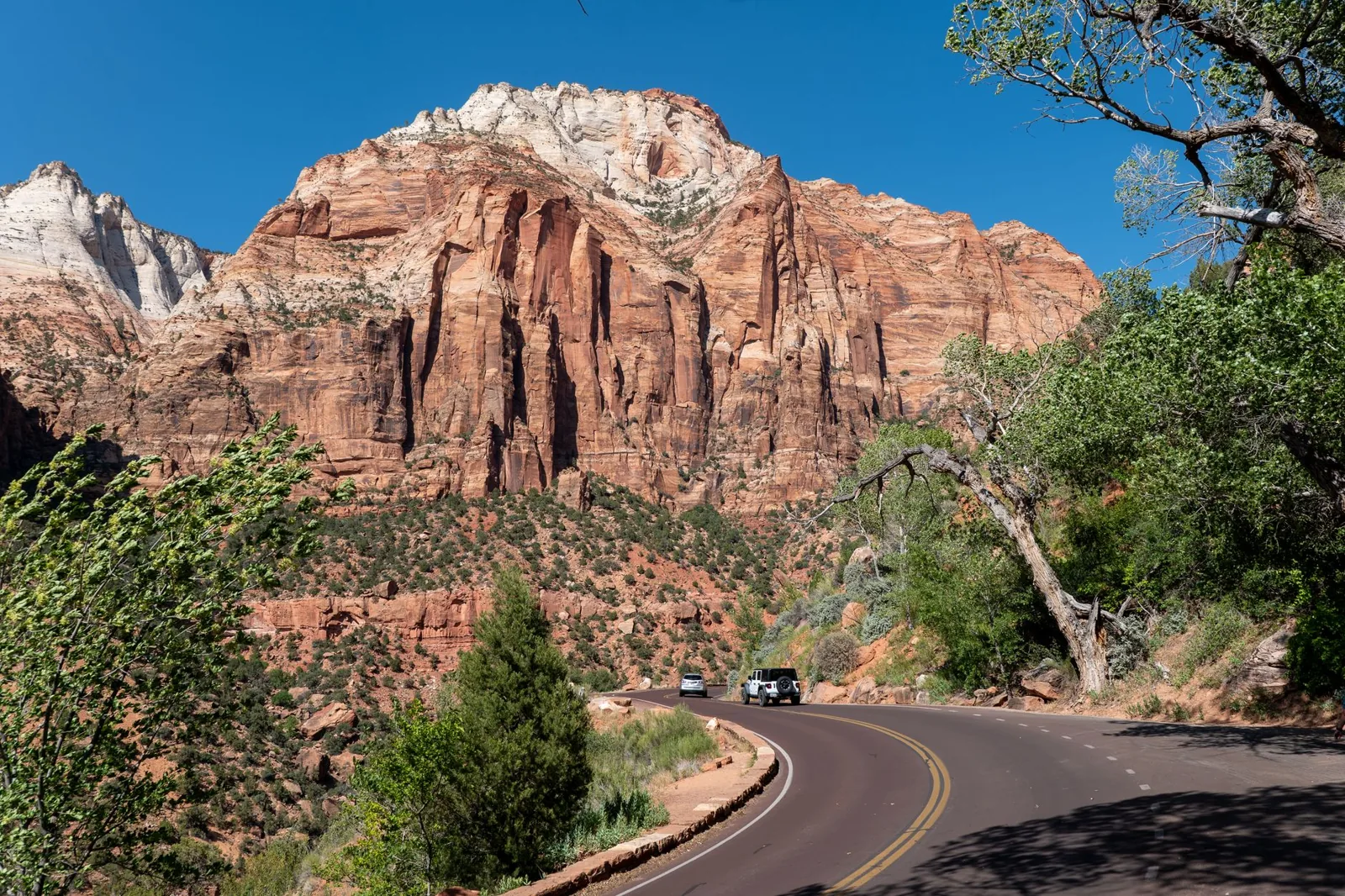
Photo by Mark Direen via Pexels
Yosemite National Park
Yosemite compresses its drama into a seven-mile valley: El Capitan on one side, Half Dome at the far end, and Yosemite Falls—the tallest waterfall in North America at 2,425 feet—pouring over the rim in spring. It’s the park I’d send a first-time visitor who wants the biggest “wow” per step, because the iconic views (Tunnel View, Glacier Point) are drive-up or near-drive-up accessible.
The trade-off is logistics. Yosemite has required peak-season reservations to drive into the park on many summer and holiday weekends in recent years, and the rules change year to year—check the park’s official site before you book flights. The famous hikes, Half Dome (permit lottery) and the Mist Trail to Vernal and Nevada Falls, are steep and punishing but worth it. Entrance is $35 per vehicle. In-park stays range from the Curry Village tent cabins (roughly $120–160 a night) to the Ahwahnee (well over $500); Mariposa and El Portal outside the park are cheaper but add a 40–60 minute drive each way.
Best months: May and June for maximum waterfall flow, September for thinner crowds and stable weather. Avoid the valley floor on summer Saturdays if you can. The waterfalls largely dry up by late August, so if that’s your reason for going, don’t wait until fall.
Zion National Park
Zion flips the usual park experience: instead of looking down into scenery from a rim, you stand at the bottom of a 2,000-foot canyon and look up. From late spring to fall, the main canyon is closed to private cars, and a free shuttle runs you up and down the six-mile scenic drive past stops like the Court of the Patriarchs and the trailhead for The Narrows—a hike literally up the Virgin River.
The two signature hikes define the park. Angels Landing, the knife-edge ridge walk with chains, now requires a permit from a seasonal lottery ($6 to apply, plus the hiking fee), and it’s earned its “scariest hike in America” reputation. The Narrows needs no permit for the bottom-up day hike; you just rent water shoes and a stick from a Springdale outfitter ($25–35) and wade upstream as far as you like. Entrance is $35 per vehicle. Springdale, the gateway town, is walkable and shuttle-connected but pricey in peak season—expect $200–350 a night in summer; Hurricane and St. George, 30–45 minutes out, are noticeably cheaper.
Best months: April–May and September–October. Summer brings triple-digit canyon heat; winters are quiet but cold water makes the Narrows a dry-suit proposition. Two to three days is right for most visitors.
Photo by Jeanetta Richardson-Anhalt via Pexels
Grand Canyon National Park
The Grand Canyon is the one park where people routinely show up for three hours, snap a photo, and leave—and that’s fine, but it undersells the place. The North Rim (open roughly May 15 to October 15) sits 1,000 feet higher and gets a fraction of the crowds that hit the South Rim, which stays open all year. For a first visit, the South Rim is the better base: more viewpoints (Mather Point, Yavapai, Desert View), more lodging, and the Rim Trail that lets you walk for miles along the edge without dropping into the canyon.
Entrance is $35 per vehicle. If you want to sleep on the rim, the historic lodges (El Tovar, Bright Angel Lodge) book six to 13 months out; Tusayan, a few miles outside the gate, is the standard budget fallback. Rafting the Colorado below takes a permit lottery, but a mule trip or a two-mile hike down the Bright Angel Trail to a resthouse is attainable for anyone reasonably fit. Note the Hualapai-owned Grand Canyon West with the Skywalk is a separate attraction, hours from the national park, and much pricier (about $65 and up per person).
Best months: September–October for South Rim, when summer heat fades; any day the North Rim road is open for solitude. Sunrise at Mather Point is a cliché because it works.
Great Smoky Mountains National Park
The Smokies are the practical pick on this list: free entry (no entrance fee, a rarity among major parks), drivable from a huge chunk of the eastern US, and spectacular in a softer, mistier way than the western parks. It’s the most-visited national park in the country—around 12 to 13 million visitors a year—so “free” comes with company. Since 2023 you do need a parking tag ($5 a day, $15 a week, or $40 a year) if you park anywhere in the park for more than 15 minutes.
The highlights are roadside-friendly: Cades Cove, an 11-mile one-way loop rich with wildlife and 19th-century cabins; Clingmans Dome, the highest point at 6,643 feet with a paved path to an observation tower; and the Roaring Fork Motor Nature Trail. Hiking ranges from easy waterfall walks (Laurel Falls) to the brutal but beloved climb up to Mount LeConte. Gatlinburg and Pigeon Forge are the gateway towns—convenient but touristy—while Townsend on the quiet side is cheaper and calmer.
Best months: October for fall color (the park’s peak season—book lodging early), April–May for wildflowers, and June if you win the lottery to see the synchronous fireflies at Elkmont. Two to three days covers the greatest hits.
How to Choose: A Quick Comparison
Still torn? The table below lines up the four western parks on the factors that actually drive decisions.
| Factor | Yellowstone | Yosemite | Zion | Grand Canyon (South Rim) |
|---|---|---|---|---|
| Signature draw | Geysers & wildlife | Granite walls & waterfalls | Canyon-floor hikes | The rim & river views |
| Entry fee (per vehicle) | $35 / 7 days | $35 / 7 days | $35 / 7 days | $35 / 7 days |
| Best months | Jun–Sep | May–Jun, Sep | Apr–May, Sep–Oct | Sep–Oct |
| Crowds | Heavy in summer | Heavy in the valley | Heavy on shuttle | Heavy at sunset points |
| Fitness required | Low–moderate | Moderate | Moderate–high (Angels Landing) | Low for rim, high below rim |
| Lodging inside park | Yes (book ~1 year out) | Yes (limited) | Lodge only | Yes (book 6–13 months out) |
| Distinct hassle | Wildlife traffic jams | Peak-season reservations | Angels Landing lottery | Extreme heat below rim |
If you can only do one park on a budget, the Smokies win on entry cost but not on the sheer scale of the western parks. If you want a single itinerary that pairs two parks, combine Yellowstone with Grand Teton (a one-hour drive apart, same entrance region), which is one of the best one-two punches in the system.
Frequently Asked Questions
What is the #1 best national park to visit?
There’s no universal answer, but Yellowstone is the most common pick for a first trip because it combines geothermal scenery with world-class wildlife in a single visit. If you prefer dramatic mountain landscapes over geysers, Yosemite is the stronger argument for number one.
How much does it cost to visit a national park?
Most major parks charge $35 per vehicle for a seven-day pass, and the America the Beautiful annual pass ($80) covers entry to every federal recreation site for a full year. The Great Smoky Mountains is free to enter but requires a parking tag.
What is the best time of year to visit national parks?
For the western parks, late spring (May–June) delivers peak waterfalls and before-peak crowds, while September–October offers mild weather and thinner visitation. Summer works but means heat in the desert parks and full parking lots everywhere.
Do I need reservations to visit national parks?
It varies. Yosemite has had peak-season entry reservations in recent years, Angels Landing in Zion requires a lottery permit (as does Half Dome’s cables in Yosemite), and in-park lodging across the system books months to a year ahead. Always check the specific park’s official site before you travel.
Which national parks are cheapest to visit?
Great Smoky Mountains leads the list with free entry, followed by any park you can combine with a nearby one to share the drive—Yellowstone with Grand Teton is the classic example. Camping inside parks ($20–35 a night) or staying in gateway towns instead of in-park lodges keeps costs down.
For current conditions and reservations, the National Park Service lists parks and entrance details.
The Bottom Line
The best national parks to visit depend less on rankings than on what you want the trip to do. Want wildlife and geology in one sweep? Go to Yellowstone. Want cliffs and waterfalls you can photograph with a phone? Yosemite. Want a canyon walk that feels like another planet? Zion. Want a family-friendly road trip that won’t break the bank? The Smokies.
Start with the park that matches your appetite for crowds and hiking, book lodging early (six to twelve months out for in-park stays), and grab an America the Beautiful pass if you’ll hit more than one park in a year. If these five have you planning a bigger itinerary, our guides to bucket-list travel destinations and the best places to travel on a budget are a natural next step—and if you’d rather trade mountain air for salt water, see our picks for the best beach vacations in the US. Whichever park you pick, go before the crowds do.