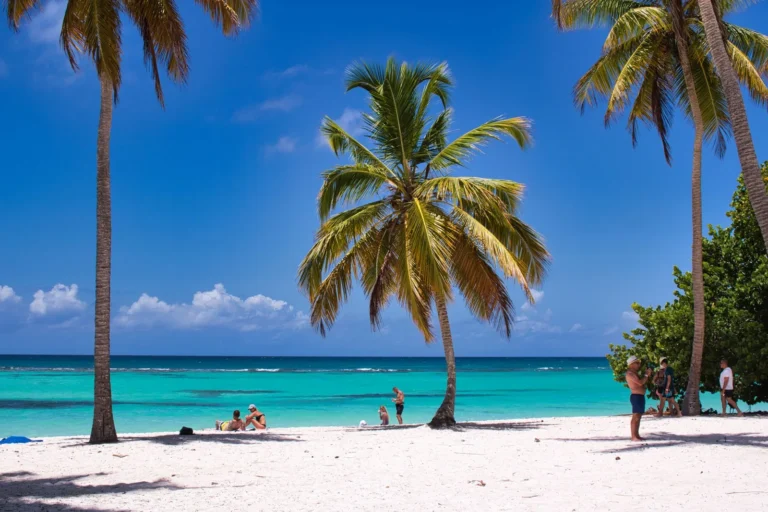

Best Beach Vacations in the US: 7 Coastlines Worth the Trip
The best beach vacations in the US aren’t all in one place. Hawaii has the postcard reefs, Florida has the calm Gulf water, and the Carolinas have miles of sand with almost no one on them. What you pick depends on your budget, your season, and whether you want a resort towel service or a cooler and a parking spot.
A strong US beach trip doesn’t have to mean a passport or an $800 flight. Some of the country’s best shorelines sit a $49-budget-airline fare from where you live right now. This guide lays out the top stretches of coast, what they actually cost, and the window when each one is worth the trip.
Hawaii: Maui and Kauai
Hawaii is the standard every other US beach gets measured against, and for good reason. Maui’s Kaanapali Beach runs three miles of soft sand with clear, calm water for most of the year, while Kauai’s Hanalei Bay sits under a wall of green mountains that show up on every travel magazine cover.
The tradeoff is price. A mid-range hotel in Maui’s Kaanapali or Wailea districts runs $350 to $600 a night in peak winter months, and a couples’ week easily lands between $4,000 and $6,000 once you add food and a rental car. Flights from the mainland hold near $500 to $900 round-trip from the West Coast and more from the East.
Book for April–May or September–October, when room rates drop roughly 20–30% and crowds thin out. The water is still warm, and you skip the summer wave of families and the winter wave of snowbirds fleeing the cold.
Florida’s Gulf Coast: Calm Water, Soft Sand
Florida’s Gulf side is the country’s easiest beach vacation. The sand at Siesta Key and Clearwater is made of finely ground quartz, so it stays cool on your feet even at noon, and the water is shallow and warm enough for kids to wade out fifty feet.
Siesta Key near Sarasota lands on several “best beaches” lists year after year, and for good reason. The town is small, the sunsets over the Gulf are the real deal, and you can be on the sand within an hour of landing at Sarasota–Bradenton (SRQ) or Tampa (TPA). Expect $180 to $350 a night for a decent hotel or condo, with a couples’ week running $2,000 to $3,500.
Go in May or late September. Summer brings heat, humidity, and a daily afternoon thunderstorm, while winter rates climb with the snowbird crowd. Spring and early fall give you the same water without the markup or the crowds.
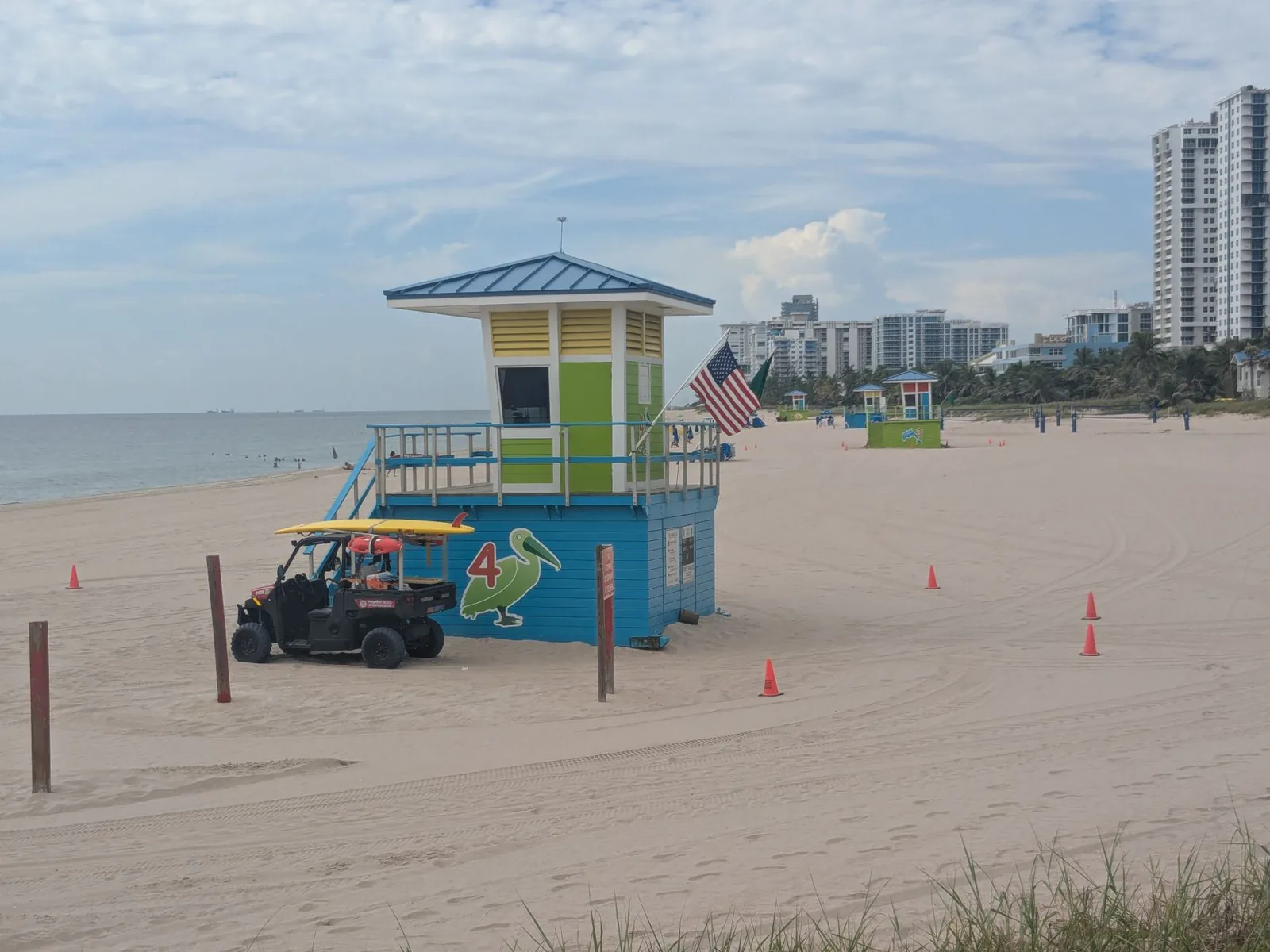
Photo by Stanley Louigene via Pexels
Southern California: Surf, Sun, and City
Southern California is the pick when you want sand in the morning and tacos in the city by dinner. La Jolla Shores north of San Diego has gentle waves for kayaking and snorkeling, while Laguna Beach and the stretches near Malibu deliver the classic Pacific Coast Highway scenery.
The catch is water temperature. The Pacific runs 60–68°F for much of the year, so swimming without a wetsuit is a summer thing. You’re really paying for the setting and the access: San Diego, Orange County, and Los Angeles put you minutes from world-class food, shopping, and three airports (SAN, SNA, and LAX).
Budget $250 to $450 a night for a beach-area hotel, and $2,800 to $4,200 for a week for two. September and October are the sweet spot: the water is at its warmest, the summer crowd is gone, and the skies stay clear.
The Outer Banks: Wild and Uncrowded
The Outer Banks of North Carolina feel like a different country compared to Florida or California. It’s a 200-mile strip of barrier islands where the beaches are wide, the towns are low-key, and you can rent a whole house a short walk from the sand for what a hotel room costs on Maui.
This is the best beach vacation in the US for people who want room to breathe. Nags Head and Corolla draw families, while Ocracoke Island and the Cape Hatteras National Seashore stay quiet even in peak season. If you surf, the waves here are the best on the East Coast south of New Jersey.
House rentals typically run $1,500 to $3,000 a week depending on size and season, and a couple can do a week for $1,800 to $3,000. Fly into Norfolk (ORF) or Raleigh–Durham (RDU) and drive in. Book late May, early June, or after Labor Day to dodge peak prices and the worst of the summer traffic.
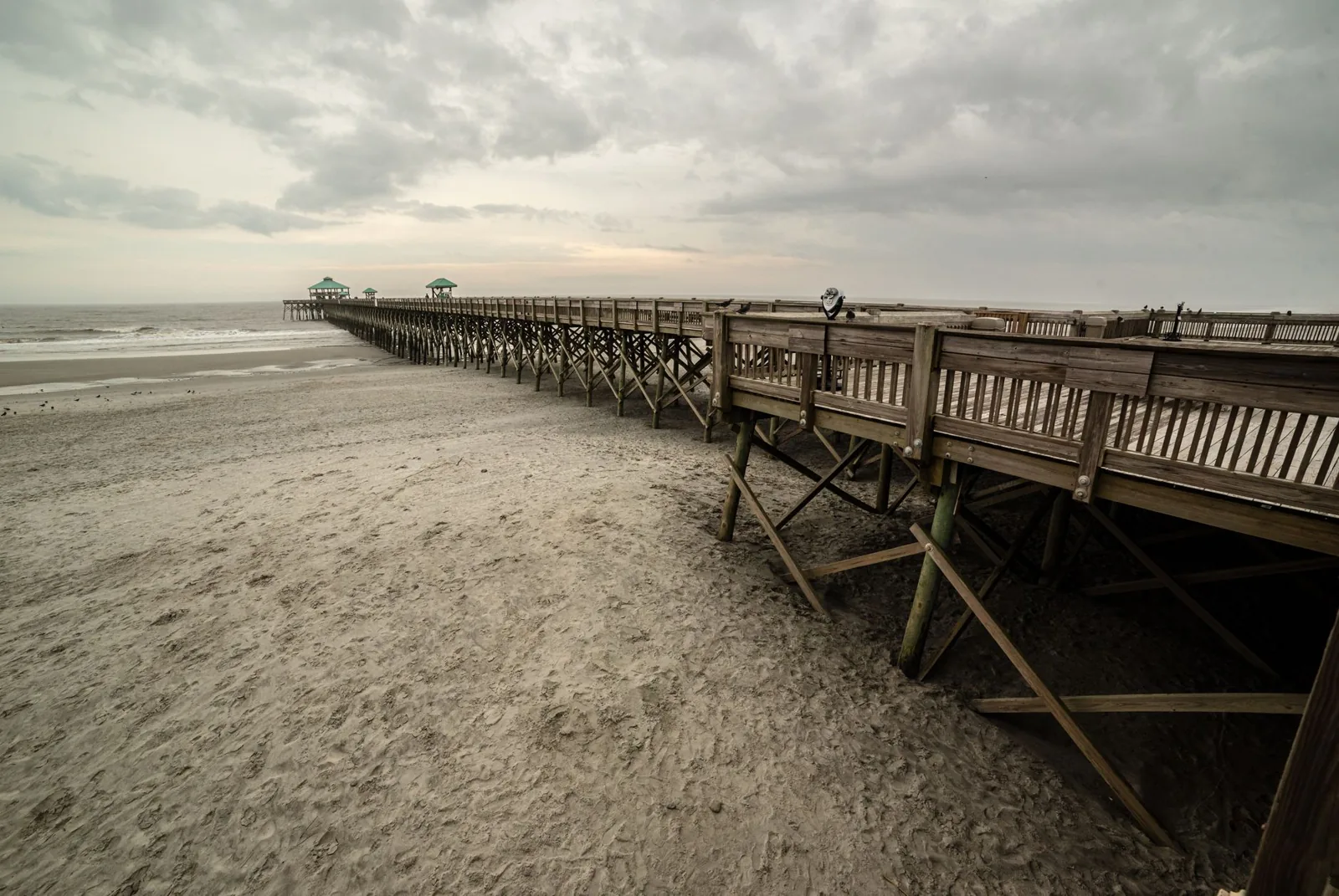
Photo by Dominik Gryzbon via Pexels
How to Choose the Best Beach Vacations in the US
Each of these coasts answers a different question. Ask yourself what the trip is actually for before you book anything.
- For warm, swimmable water and a resort scene: Florida’s Gulf Coast or Hawaii. Florida is cheaper and easier; Hawaii is more spectacular but costs double or triple.
- For scenery you’ll remember for years: Hawaii’s Na Pali Coast on Kauai, or Big Sur-adjacent stretches of California.
- For a quiet, affordable family week: the Outer Banks, Gulf State Park in Alabama, or the Florida Panhandle towns like Destin and Rosemary Beach.
- For surf and city energy: Southern California, specifically San Diego or Orange County.
- For a budget trip without a passport: the Gulf Coast and the Southeast Atlantic are your cheapest options, which is why they pair well with a best places to travel on a budget plan.
If warm, turquoise water and a resort pool are non-negotiable and you’re willing to go farther, weigh these domestic spots against the best tropical vacation destinations before you commit.
What a Beach Vacation Actually Costs
Costs swing more by season than by destination. Here’s a quick comparison for a couple, peak season, one week, before flights.
| Factor | Hawaii (Maui) | Florida Gulf Coast | Southern California | Outer Banks |
|---|---|---|---|---|
| Hotel or rental / night | $350–$600 | $180–$350 | $250–$450 | $150–$300 |
| Week for two (approx.) | $4,000–$6,000 | $2,000–$3,500 | $2,800–$4,200 | $1,800–$3,000 |
| Best season | Apr–May, Sep–Oct | May, late Sep | Sep–Oct | Late May, early Jun |
| Water temp (peak) | 76–80°F | 84–86°F | 66–70°F | 70–78°F |
| Best for | Reefs, scenery | Families, easy water | Surf, city access | Quiet, rentals |
A few ways to cut the bill without downgrading the trip: book a condo with a kitchen instead of eating out three times a day, fly midweek, and travel in the shoulder weeks listed above. Even shifting a Maui trip by two weeks in September can save $100 or more a night.
On top of lodging, plan for flights of roughly $300 to $600 round-trip per person to Florida, California, or the Carolinas from most of the country, and $500 to $900 for Hawaii. Airfare is the one line item that moves the most week to week, so set a price alert about three months out and book when it dips. For longer stays, an island-heavy itinerary can mix several of these coasts, which is exactly how a well-planned best tropical vacation destinations route comes together.
Frequently Asked Questions
What is the best beach vacation in the US for families?
Florida’s Gulf Coast — specifically Siesta Key, Clearwater, or the Destin area. The water is calm and shallow, the sand stays cool, and the towns are built for kids. The Outer Banks is a close second if your family prefers a house rental and a quieter week.
Where is the cheapest beach vacation in the US?
The Gulf Coast and the Southeast Atlantic are the most affordable. The Florida Panhandle, Alabama’s Gulf Shores, and South Carolina’s Myrtle Beach area all deliver solid beach weeks for well under $2,500 per couple. Pairing one of these with a broader best places to travel on a budget itinerary stretches the trip further.
When is the best time to visit Hawaii?
April–May and September–October. You get warm water, fewer families, and room rates roughly 20–30% below winter peaks. Avoid late December through early January, when prices and crowds both spike.
Are California beaches warm enough to swim?
Only in summer and early fall. The Pacific off Southern California runs 60–68°F most of the year, so non-wetsuit swimming is a July-through-October thing. If warm water is the priority, pick Florida or Hawaii instead.
Do I need a passport for these trips?
No. Every destination here is domestic, so a state ID or driver’s license is enough. That’s a big part of why the best beach vacations in the US stay popular for couples and families, and why they work so well for best island vacations for couples planning on a shorter timeline.
The Bottom Line
The best beach vacations in the US come down to three honest questions: how warm do you need the water, how much do you want to spend, and how much do you want around you beyond the sand.
If the answer is “warm, resort, and easy,” book the Florida Gulf Coast or stretch for Maui. If it’s “scenery first,” Hawaii and California lead. If it’s “quiet and affordable,” the Outer Banks is the call. Pick your month before you pick your beach — the shoulder seasons in this guide are routinely 20 to 30 percent cheaper and far less crowded than peak — and you’ll get the same coastline for a meaningfully lower price.