

Affordable Europe Destinations: Where to Go in 2026 Without Breaking the Bank
The idea that Europe is expensive is only half true. Paris, London, and Zurich will drain your wallet fast, but the continent is full of affordable europe destinations where a night in a clean hotel runs under $90, dinner costs less than a pizza delivery back home, and a full day of sightseeing barely touches $25. The trick isn’t finding secret spots — it’s knowing which cities deliver real value and being willing to look past the usual suspects.
In 2026, the exchange rate, low-cost airlines, and a strong crop of mid-range hotels have made eastern and southern Europe more accessible than it’s been in years. You don’t have to sleep in a hostel bunk or live on supermarket bread to do it. You just have to pick the right place at the right time.
This guide covers the specific cities worth your money, what a realistic budget looks like, how to score cheap flights, and the mistakes that quietly blow a travel budget. No vague advice — real numbers you can plan around.
Why Europe Can Be Cheaper Than You Think
Most travelers overpay because they anchor on the wrong cities. The average hotel in Paris runs $200 a night; in Kraków the same comfort level costs around $70. You’re not getting less — you’re getting a city that hasn’t been priced for a global premium crowd yet.
Three factors keep a destination affordable, and they’re worth checking before you commit:
- Flight access. Cities served by Ryanair, Wizz Air, and easyJet are consistently cheaper to reach than ones served only by legacy carriers. A round-trip from the East Coast to Warsaw or Budapest can dip under $500 in shoulder season.
- Local cost of living. Eastern and southern Europe simply cost less for locals, which means restaurants, transit, and attractions stay cheaper for visitors too.
- Seasonality. The same city can swing 40% in price between July and October. Traveling one month off-peak is often worth more than choosing a “cheap country.”
If you’re new to budget travel and want a fuller framework, our guide to the best places to travel on a budget walks through the same logic across every continent, not just Europe.
The Best Affordable Europe Destinations Right Now
These four cities stood out in 2026 for price, ease of access, and how much there is to actually do. Each one keeps daily costs low without forcing you into a hostel.
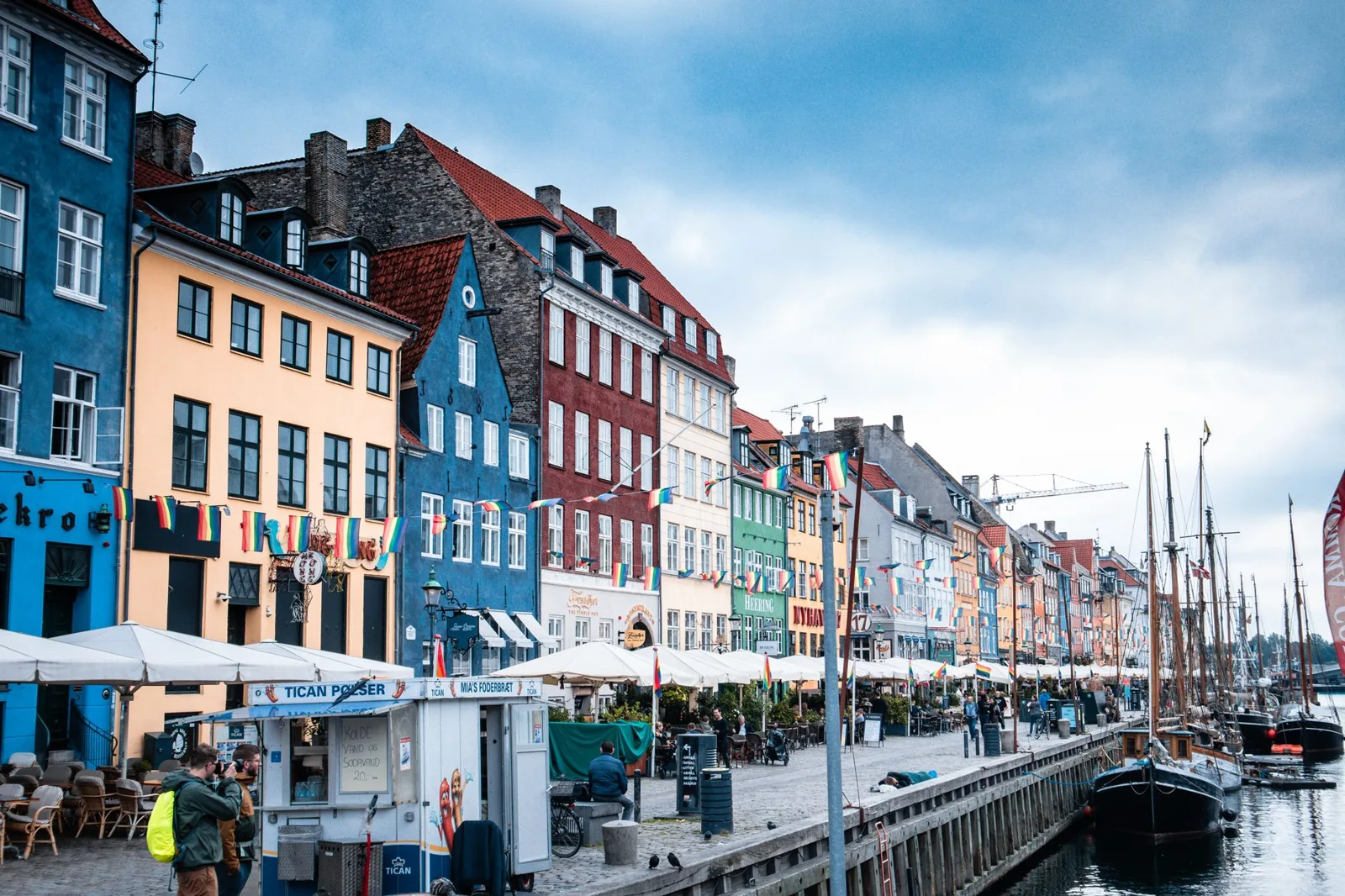
Photo by Pham Ngoc Anh via Pexels
Lisbon, Portugal
Lisbon is the rare capital that still feels underpriced. A tram ride through the Alfama district costs a couple of euros, pastel de nata pastries run about $1.50 each, and a hearty lunch of grilled fish plus wine often lands under $15. Hotels in central neighborhoods like Baixa sit around $110–$140 a night, but you can drop under $90 with a short metro ride out to areas like Anjos or Arroios.
Budget for $85–$110 per day after lodging, and you’ll eat well, ride the iconic 28 tram, and see the Belém Tower without checking prices twice.
Kraków, Poland
Kraków might be the best value of any major European city right now. The medieval Old Town is a UNESCO site, yet a three-course Polish dinner runs $12–$18, a pint of local beer is about $3, and hotels near the Main Square go for $70–$100 a night. Day trips to the Wieliczka Salt Mine and Auschwitz can be done for under $40 each, including transport.
It’s also one of the few places where a couple can have an unexpectedly romantic trip for very little — worth keeping in mind if you’re browsing our honeymoon destinations on a budget.
Budapest, Hungary
Budapest splits into two sides — Buda with its castle, Pest with its ruin bars — and both are cheap. The famous thermal baths run $20–$25 for a full day, a bowl of proper goulash costs about $8, and the city’s metro is one of the cheapest in Europe at around $1.20 a ride. Apartments and hotels in the Jewish Quarter fall in the $80–$120 range.
Valencia, Spain
Valencia gives you Spain’s beaches and paella without Barcelona’s price tag. A plate of authentic paella in its home city runs $12–$15, metro rides are about $1.50, and the Turia riverbed park — nine kilometers of green space through the city — is free to explore. Hotels near the Old Town run $100–$130, dropping below $90 in the quieter Ruzafa area.
What a Budget Trip Actually Costs
“Affordable” means different things to different people, so here are real ranges for a seven-day solo trip in 2026, assuming you book a mid-range hotel, eat out once a day, and use public transit.
| Factor | Lisbon | Kraków | Budapest | Valencia |
|---|---|---|---|---|
| Hotel / night | $90–$140 | $70–$100 | $80–$120 | $90–$130 |
| Dinner for one | $12–$20 | $10–$16 | $8–$15 | $12–$20 |
| Daily transit | $5–$8 | $4–$6 | $4–$7 | $4–$6 |
| 7-day total (solo) | $800–$1,100 | $650–$850 | $700–$950 | $800–$1,000 |

Photo by Gerald Enright via Pexels
A few rules keep those numbers from creeping up:
- Use the metro, not taxis. Airport transfers are the silent budget killer. In Lisbon and Budapest, a metro line goes straight from the airport to the center for under $2.
- Eat where the workday crowd eats. Restaurants two streets off the main square are routinely 30–40% cheaper than the ones facing it.
- Buy a city pass only if you’ll use it. In Kraków and Budapest, paying per attraction usually beats the pass unless you’re doing three or more sights a day.
- Withdraw cash once. Eastern European cities still lean cash for small purchases; repeated ATM fees add up to real money.
How to Find Cheap Flights to Europe
Flights are your single biggest line item, so this is where the savings are. Start broad: search “Europe” as a destination rather than a specific city, and let the fare map show you what’s cheap. In practice, a month in Kraków can cost $150 less to reach than the same month in Rome.
Timing matters more than loyalty. The cheapest windows for most European cities are mid-January through early March, and again October through mid-November. Summer is the expensive season everywhere, though eastern cities like Budapest and Kraków spike less than Paris or Barcelona.
Booking 2–3 months ahead for shoulder season and 5–6 months ahead for peak season tends to capture the best prices. Low-cost carriers price one-way segments independently, so check two one-ways against a round-trip before you commit — sometimes they’re cheaper, sometimes not.
Where to Stay Without Overpaying
You don’t need a hostel to stay cheap. The lever that matters most is location relative to transit. A hotel 15 minutes by metro from the center is often 30% cheaper than one 5 minutes away, and in a city with good transit, you won’t feel the difference.
Apartments have become the better deal for stays of four nights or more, especially for couples or small groups splitting a two-bedroom. A kitchen lets you skip breakfast out and coffee at cafe prices, which quietly saves $10–$15 a day per person.
Booking direct or through a comparison site with free cancellation gives you a fallback if prices drop — and they do, often two to three weeks out. Keep your reservation cancellable and re-check before you travel.
Frequently Asked Questions
What is the cheapest country in Europe to visit right now?
Poland, Hungary, and Portugal consistently rank as the cheapest for a full trip when you factor in flights, lodging, and food. For pure on-the-ground costs, Bulgaria and Romania edge even lower, though they typically cost more to reach from North America.
Which month is cheapest for Europe travel?
January and February are cheapest for flights and hotels, but weather limits outdoor sightseeing in much of northern Europe. If you want a balance of price and pleasant weather, October and late April are the sweet spots for most of the continent.
Can you visit Europe on $100 a day?
Yes, comfortably in cities like Kraków and Budapest, and with a little discipline in Lisbon and Valencia. At $100 a day you can afford a mid-range hotel, two restaurant meals, transit, and one paid attraction. It gets harder in Western Europe, where the same day runs $150–$200.
Is Eastern Europe safe for tourists?
Yes. Poland, Hungary, and the Czech Republic have low violent-crime rates and are among the safest regions in Europe, generally safer than many Western European capitals. Standard city precautions — watching your phone on transit, avoiding empty areas at night — are all you need.
Do I need a travel pass to get around cheaply?
Not usually. Local transit tickets and budget flights between cities beat rail passes for most itineraries. A rail pass only pays off if you’re taking many long-distance trains; for two or three cities, point-to-point tickets and budget airlines are cheaper.
For budget city guides, Rick Steves covers affordable European destinations.
The Bottom Line
Affordable europe destinations aren’t a secret society — they’re just the cities that haven’t been priced into the premium tier yet. Lisbon, Kraków, Budapest, and Valencia all deliver a real European trip for $650–$1,100 per person per week, flights included if you time the booking right. Pick one of those four, fly in shoulder season, and let the metro be your most expensive habit.
If any of these cities has landed on your personal list, you might also enjoy scanning our roundup of bucket list travel destinations to see what else deserves a slot. Start by checking flight prices for next spring — the cheap seats go first, and they go months before the date does.