
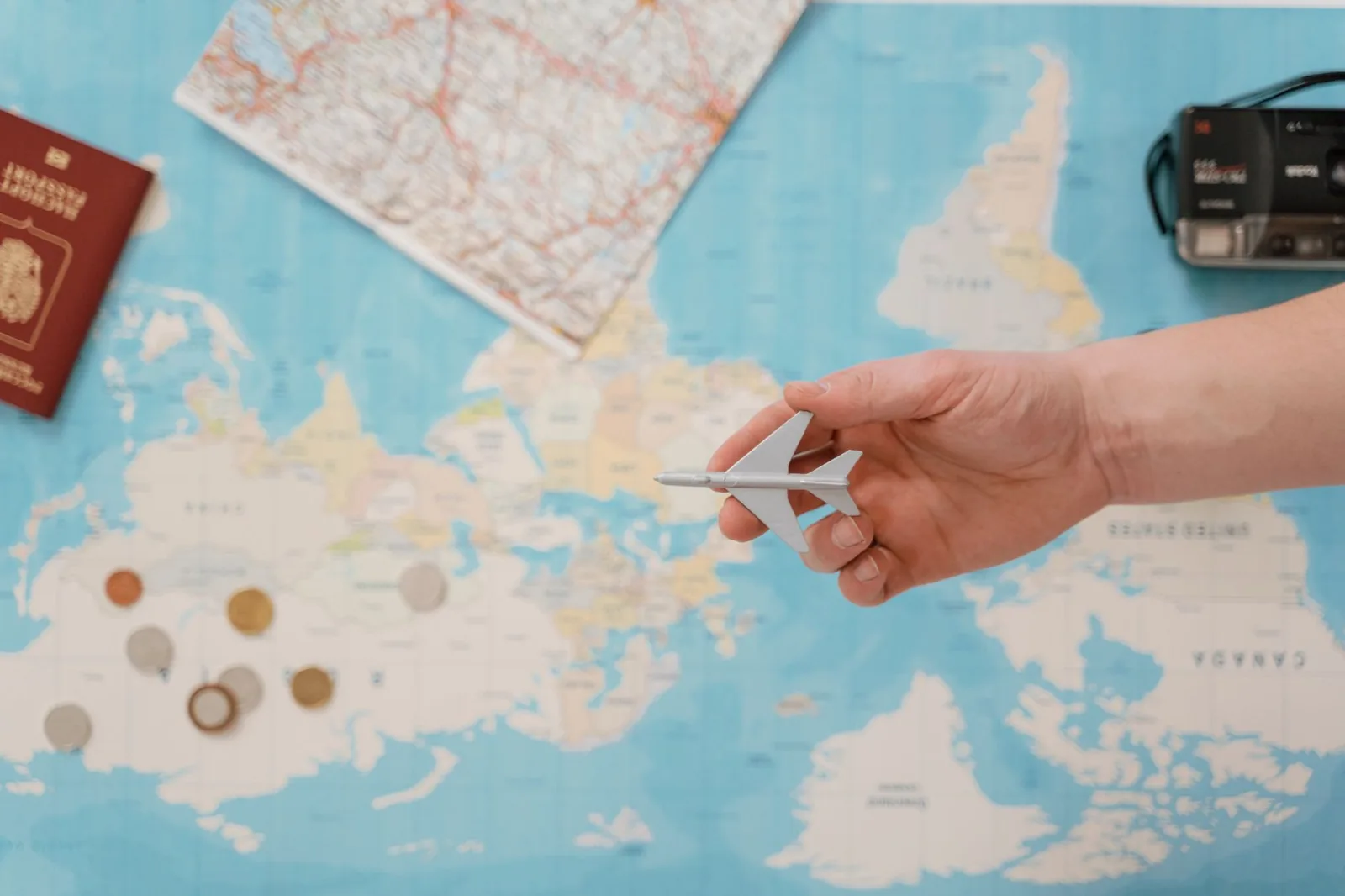
How to Plan a Trip Abroad: A Step-by-Step Guide
Learning how to plan a trip abroad is less about spreadsheets and more about putting a handful of decisions in the right order. Book flights before you check your passport, and you could end up stranded at check-in; skip insurance to save $40 and lose $6,000 if a return flight is cancelled mid-trip. The good news is that the process is repeatable, and once you work through it a couple of times it becomes second nature.
This guide walks through the whole sequence — passports and visas, budgeting, routing, stays, packing, and the details people most often forget. Everything is written for first-time international travelers, but the checklist holds up just as well for your tenth country.
Check Your Passport and Visa Before You Spend Anything
Passport problems are the single most common reason trips fall apart before they start. The rule you’ll hear repeated everywhere is the six-month validity rule: many countries will not admit you if your passport expires within six months of your entry date. Countries including China, Indonesia, Thailand, Egypt, Turkey, and much of the Middle East enforce it strictly. Your airline may also refuse to board you, because it gets fined for carrying passengers who get rejected at immigration.
Here’s your document checklist before you book a single dollar of the trip:
- Passport validity: Confirm the expiration date is at least six months past your planned return, not your departure.
- Blank pages: Some nations — South Africa is a well-known example — require two or more blank visa pages. Check yours.
- Visa requirements: Look these up on the official government site of your destination, not a third-party blog. US citizens can visit the Schengen area, the UK, Japan, Mexico, and many Caribbean islands visa-free, while countries such as China, India, and Australia require an e-visa or authorization in advance.
- ETIAS and UK ETA: If you’re traveling to Europe from the US starting in 2025, plan for the ETIAS authorization (a €7 fee, valid three years) and the UK’s £10 ETA. Neither is a full visa, but both must be applied for online before you fly.
- Photocopies: Keep a paper copy and a cloud copy of your passport photo page and any visas, stored separately from the originals.
A US passport renewal by mail now costs $130 for a book, and routine processing takes six to eight weeks (faster with the $60 expedite fee). If your expiration date is anywhere near the six-month line, renew before you book.
Set a Realistic Budget With Real Numbers
The best budgets are built backward: decide what you’re willing to spend in total, then let that number choose your destination, your season, and your flight class. A rough starting point for a one-week international trip from the US, per person, looks like this:
| Expense | Budget trip | Mid-range trip | Comfortable trip |
|---|---|---|---|
| Round-trip flight | $500–$900 | $900–$1,500 | $1,500+ |
| Accommodation (7 nights) | $350–$700 | $700–$1,500 | $1,500+ |
| Food & drink | $250–$400 | $400–$800 | $800+ |
| Transport & activities | $150–$300 | $300–$600 | $600+ |
| Approximate total | $1,250–$2,300 | $2,300–$4,400 | $4,400+ |
Those are mid-2020s ranges, and they bend enormously by destination: a week in Portugal or Mexico lands closer to the left column, while Switzerland, Iceland, or Japan push toward the right. If you’re watching every dollar, start with the best places to travel on a budget and let price pick the destination for you.
Three budgeting rules that save more than any single “travel hack”:
- Book the big items in order. Flights first (they’re the least flexible), then lodging, then tours. Everything else can be adjusted later.
- Budget in the local currency. Prices often look cheaper after conversion, so set a daily spend cap in euros, pesos, or yen rather than mentally converting as you go.
- Separate “fixed” and “flex.” Flights and hotels are fixed and prepaid; food, transport, and souvenirs are flexible and where you’ll actually overspend or underspend.
Pick a Destination That Matches Your Season (and Your Wallet)
If the best tropical vacation destinations are on your list, the destination likely isn’t your real decision — the season is. The same island can be $1,800 per person in December and $900 in September, with better weather in the shoulder months.
Shoulder season — the weeks between peak and off-peak — is the value sweet spot almost everywhere. In the Caribbean and Southeast Asia, that’s the months just before and after the rains. In Europe, late September and early October deliver thinner crowds and lower hotel rates than July while keeping most attractions operating. Off-season saves the most money but trades it for closures, heat, or rain, so weigh that honestly against what you want to do.
Match the trip to the reason for traveling. Anniversary? A quiet stretch of the best island vacations for couples beats a busy city. Checking countries off with a travel companion who shares your pace? Lean into energy and experiences. The destination that fits your “why” is the one you’ll actually enjoy, not just the one trending on social media.
Route Your Flights Before You Click “Book”
Flight prices are the biggest single line item, and a few habits consistently produce better fares:
- Search in incognito or clear cookies — dynamic pricing can creep up when you search the same route repeatedly across several days.
- Use flexible-date searches. Kayak, Google Flights, and Skyscanner all let you compare a full month at a glance; shifting your dates by one week can cut the fare by 20–30%.
- Compare one-way legs separately. Sometimes two one-way tickets on different carriers beat a single round-trip on one, especially for open-jaw itineraries (fly into one city, home from another).
- Factor in airport transfer costs. A $60-cheaper fare into a distant airport can easily cost $80 in a shuttle or train on the other end.
For long-haul flights, the sweet spot for booking is typically two to six months out for international routes, though holiday-season flights reward earlier booking. Set a price alert and be ready to act — good international fares rarely sit for more than a few days.
Choose Where You’ll Sleep (and Book Refundable Where You Can)
Accommodation strategy depends entirely on group size and trip style. Solo travelers often do best with private hostel rooms or budget hotels ($35–$90 a night); couples and families get better value from full apartments with a kitchen, which cuts the food bill dramatically. Booking.com and Airbnb both filter for free cancellation, and it’s worth paying a small premium for refundable rates when your plans could shift.
Some concrete baselines: a clean mid-range hotel in Europe’s secondary cities runs $100–$160 a night; in Southeast Asia a comfortable private room is $25–$60; in Japan a business hotel is $60–$110. Booking directly with the property occasionally undercuts the big platforms and sometimes includes breakfast, so it’s worth one email or a check on official hotel sites after you’ve found a rate you like.
Get Travel Insurance Before You Pay for Anything Else
Travel insurance is the easiest item to skip and the most expensive mistake to skip. It should be purchased within a week or two of your first non-refundable booking — not on the way to the airport — because many policies only cover pre-existing conditions or “cancel for any reason” options if you buy early.
A standard policy covering trip cancellation, interruption, medical, and baggage typically costs 4–10% of your total trip cost. So a $3,000 trip lands around $120–$300 for comprehensive coverage. What it actually protects:
- Trip cancellation/interruption if an illness, injury, or family emergency forces you to cancel or cut the trip short.
- Medical care abroad, since most US health insurance — including Medicare — provides little or no coverage outside the US.
- Emergency evacuation, which can run $50,000+ if you need a medical flight home and you’re not covered.
- Baggage and delays for lost luggage, missed connections, and overnight expenses.
Compare policies on a site like Squaremouth or InsureMyTrip, or check NerdWallet’s travel insurance guide for a plain-English breakdown of what each policy type actually covers.
Book Experiences and Transport Before the Good Slots Fill
Popular activities — walking tours, day trips, museum slots, restaurant reservations — sell out weeks ahead in peak season. Book the two or three things that would genuinely disappoint you to miss, then leave the rest of the itinerary open. Over-scheduling is how trips stop feeling like vacations.
Local transport deserves equal attention. Download your destination’s transit app (Citymapper covers most major cities), buy a transit card or rail pass where it saves money, and confirm whether your airport is served by train (cheaper) or requires a taxi or shuttle. A little pre-trip research here removes the single most stressful moment of any arrival: getting from the airport to your bed with luggage in tow.
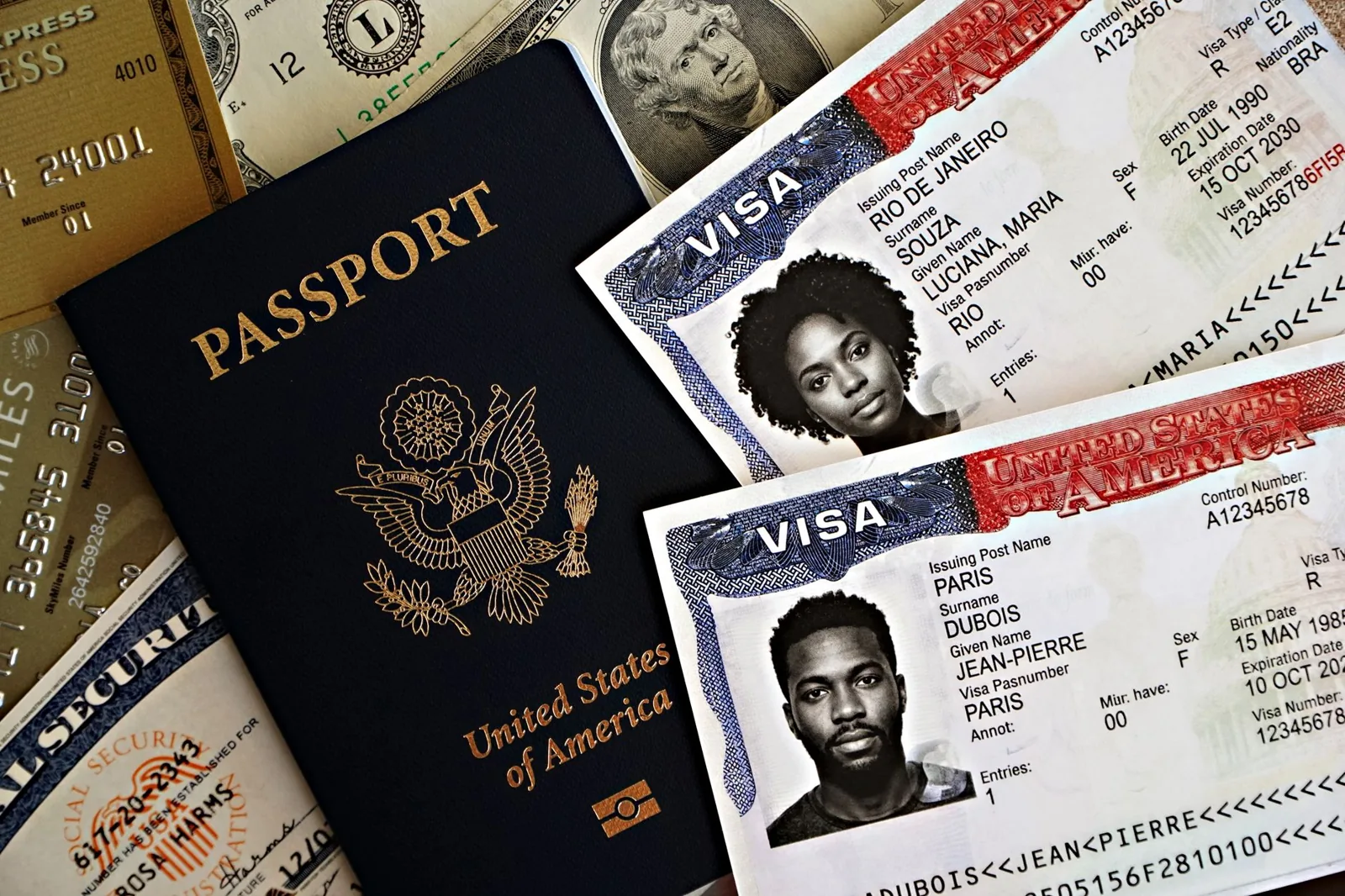
Photo by Pexels via Pexels
Pack Light, and Pack the Things That Are Hard to Replace
Overpacking is the most common first-trip regret. A carry-on-sized bag plus a personal item is enough for almost any trip up to two weeks, and it means you skip checked-bag fees (commonly $35–$60 each way), walk straight past lost-luggage claims, and move between cities without dragging a trunk behind you.
What belongs in your carry-on, no matter what:
- Passport, visa printouts, and a pen for arrival forms — keep these on your body, not in an overhead bin.
- Medications in original packaging, plus a copy of any prescription, and a small first-aid kit.
- Chargers and a universal power adapter — EU, UK, and US outlets are all different, and a single adapter costs $15–$25 and saves hours of hunting.
- One change of clothes in case your checked bag (if you checked one) is delayed.
- A printed copy of your itinerary and hotel address, including the address to give customs or a driver when your phone is dead.
Use This Pre-Departure Checklist
Run through this list about a week before you fly, then again the night before:
- [ ] Passport valid 6+ months beyond return, with blank pages
- [ ] Visa or electronic authorization (ETIAS/ETA) approved and printed
- [ ] Flights and hotels booked, confirmation numbers saved offline
- [ ] Travel insurance purchased and policy number saved
- [ ] Notify your bank and credit card company of travel dates (to avoid card blocks)
- [ ] Roam or eSIM sorted — a local eSIM is usually $5–$15 and beats carrier roaming fees
- [ ] Meds packed in carry-on, prescriptions copied
- [ ] Downpayment-safe: at least two payment methods (two cards plus some local cash)
Photo by Yazid N via Pexels
Frequently Asked Questions
How far in advance should I plan a trip abroad?
Book international flights two to six months out for the best mix of price and availability, and longer (six to nine months) for peak holiday travel. Visas and passport renewals should start even earlier, since some applications take weeks to process.
How much money do I need to travel abroad for a week?
A realistic budget for a one-week international trip from the US runs roughly $1,250–$2,300 per person for a budget trip and $2,300–$4,400 for a mid-range one, all-in. Destination choice swings these numbers more than any single hack.
Do I need a visa to travel abroad?
It depends entirely on your passport and destination. US citizens can visit many countries visa-free while others require an e-visa or an authorization like ETIAS or the UK ETA. Always confirm on the destination’s official government website.
What is the first thing I should do when planning a trip abroad?
Check your passport’s expiration date and blank pages, then confirm visa requirements for your destination. There’s no point booking flights or hotels for a trip you can’t legally enter.
Should I buy travel insurance for an international trip?
Yes — and buy it within a couple of weeks of your first non-refundable booking. Medical care abroad is rarely covered by US health insurance, and a policy typically costs only 4–10% of your trip total.
The Bottom Line
Figuring out how to plan a trip abroad comes down to sequence: documents first, then budget, then destination, flights, lodging, insurance, and the details. Nail the first two and most of the expensive mistakes disappear on their own. Skip them and everything else gets harder.
Start with your passport and visa, set a total budget you’re comfortable with, then let those two answers guide every choice that follows. For more destination inspiration, browse the best tropical vacation destinations or plan something quieter around the best island vacations for couples. Book the trip — the worst that happens is you come home with a story.