
Round Trip vs One Way Flight: Which Should You Book?
The round trip vs one way flight decision trips up more travelers than almost any other booking question. You type in your dates, flip between the two options, and watch the price change in ways that feel slightly random. Sometimes a round trip costs less than a single one way. Sometimes it doesn’t. The truth is that the two tickets are priced by two different sets of rules, and once you understand them, the choice gets a lot less mysterious.
This guide breaks down exactly when each ticket type wins, what to watch for in fees and change policies, and how to avoid overpaying no matter which way you fly.
When a Round Trip Flight Makes the Most Sense
For the majority of leisure travelers, a round trip is the right default. Airlines love round trips because they lock in your business both ways, and they price them accordingly. On most traditional carriers, a round trip is priced as a single fare that is almost always cheaper than buying two separate one way tickets on the same airline.
A round trip also comes with practical advantages. If your outbound flight is delayed or canceled, the airline treats the entire itinerary as one booking, which means rebooking generally applies to both legs. Split your trip into two separate one-way tickets on two different airlines, and neither carrier has any obligation to help you if the first flight misses the second.
Round trips shine in these situations:
- You have fixed dates for a vacation or a business trip and know exactly when you’re leaving and returning.
- You’re flying on a major airline between two cities with direct or simple connecting flights.
- You want the protection of a single itinerary and a single set of rules if something goes wrong.
- You’re booking international long-haul travel, where round trip fares are typically the most competitive.
When a One Way Flight Is the Smarter Choice
One way flights used to be the expensive option, priced mainly for business travelers and people with open-ended plans. That has changed. Low-cost carriers built their entire business model on point-to-point one way fares, and their influence has pulled one-way pricing down across the industry in many markets.
A one way flight makes sense when:
- You’re moving abroad or relocating and don’t yet know your return date.
- You’re traveling overland between two cities and plan to fly home from a different point.
- You’re combining a flight with a train, ferry, budget airline, or road trip where each leg is booked separately.
- You’re building an open-jaw itinerary around an award ticket, a cruise, or a group tour.
- You have points or miles for only one direction and want to pay cash for the other.
The key advantage is flexibility. One-way tickets let you mix and match airlines, routes, and dates without committing to a single carrier’s return schedule or fare rules.

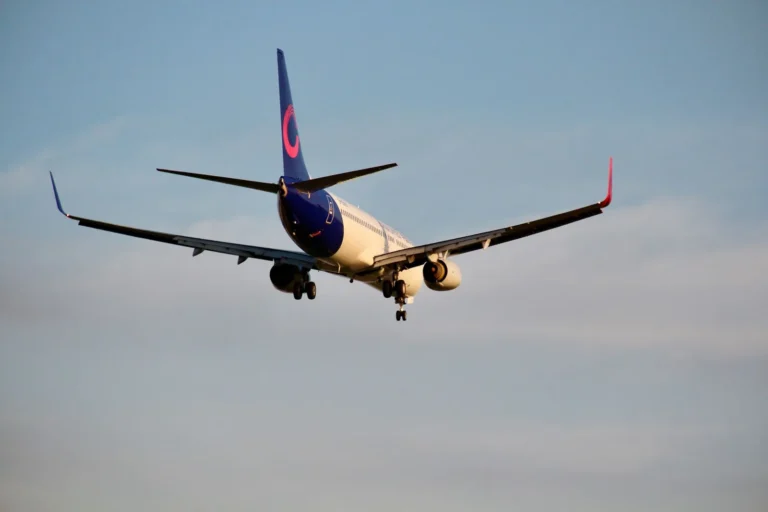
Photo by Mauricio Moreno via Pexels
Round Trip vs One Way Flight: The Cost Question
The single biggest factor is price, and it depends heavily on route and airline type. Here is a realistic comparison of what you can expect to find when you search the same dates both ways.
| Factor | Round Trip | Two Separate One Ways |
|---|---|---|
| Domestic, major airline | Usually cheapest (e.g., $180–$320 vs. $250+ split) | Often more expensive on the same carrier |
| Domestic, low-cost airline | Two one ways priced the same | Same price, plus flexibility to mix airlines |
| International long-haul | Strongly preferred ($700–$1,100 typical) | Can cost 30–60% more on the same route |
| Budget international (Europe, Asia) | Often unnecessary | One ways let you fly Ryanair out, easyJet back |
| Multi-city, open-jaw | Not applicable | One ways are the standard way to build it |
The classic trap: assuming a round trip is always cheaper. On British Airways, Lufthansa, and most full-service carriers flying across the Atlantic or Pacific, a round trip is usually the better deal — sometimes dramatically so. But on European budget carriers like Ryanair, easyJet, and Wizz Air, or US ultra-low-cost carriers like Spirit and Frontier, each leg is priced independently and a round trip is simply the sum of two one ways. There, booking one way costs you nothing extra.
Hidden Costs and Fees to Watch
The ticket price on the screen is rarely the whole story, and the fee structure can differ between ticket types depending on the airline.
- Change and cancellation fees. Round trip tickets on major airlines often carry change fees that apply per ticket, not per flight. Two one ways means two separate fees if you change both directions. Compare before you commit.
- Baggage fees. Ultra-low-cost carriers charge for everything, and that stays true whether you book round trip or one way. Budget airlines often discount a return booking slightly to encourage it, but the difference is usually small.
- No-show policies. If you buy a round trip and skip the outbound leg, many airlines automatically cancel the return. That alone is a reason to book one way when your plans are uncertain.
- Currency and booking-zone quirks. One way international tickets can occasionally be priced in a way that is out of proportion to a round trip on the same route, because fare rules apply differently.
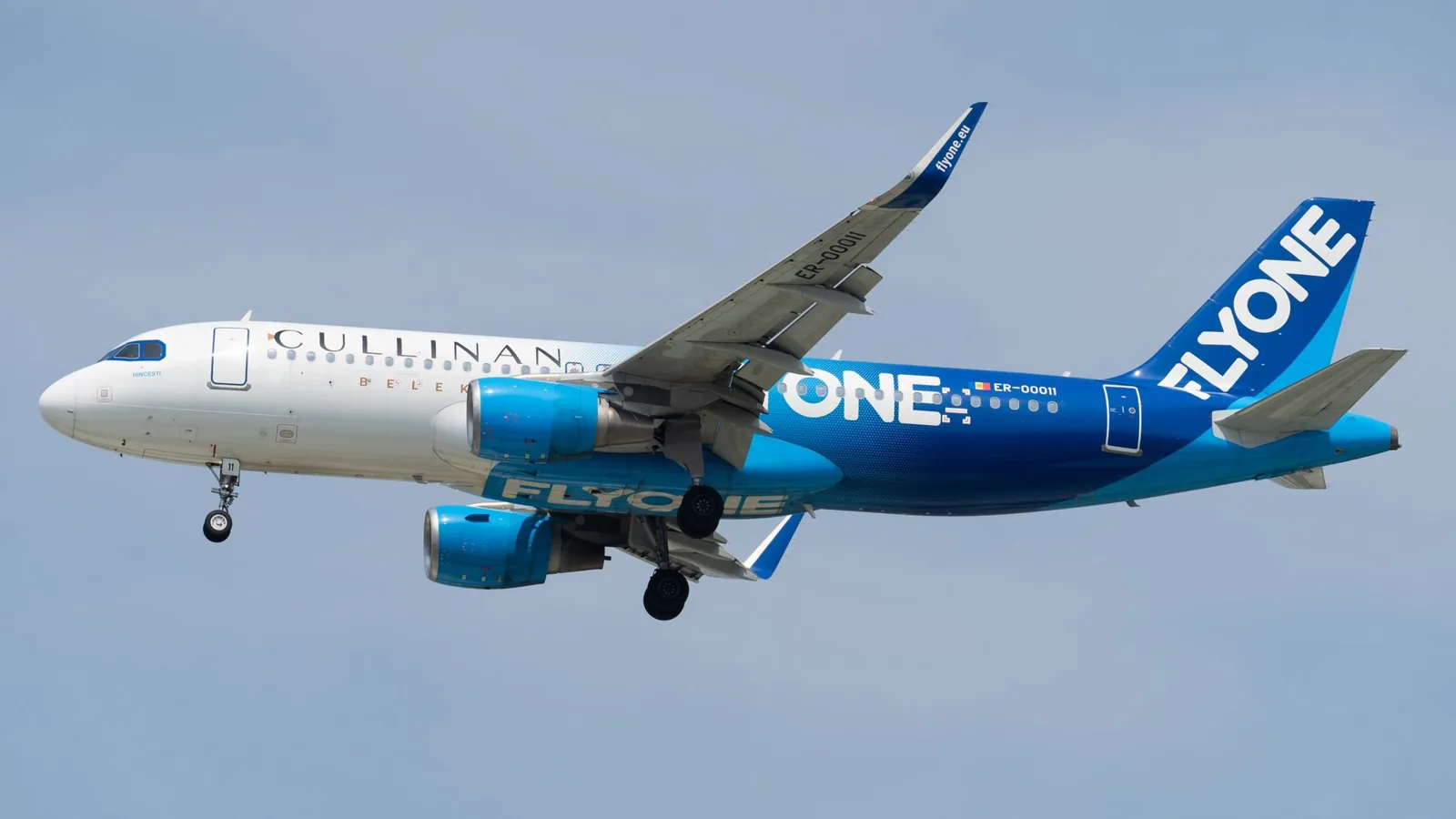
Photo by Go Journal via Pexels
How Airlines Price Round Trips and One Ways
Airlines do not simply charge you “half a round trip” for a one way. Their revenue management systems price tickets by origin and destination pair, by demand on each specific date, and by a long list of fare rules that change constantly.
On full-service carriers, round trip fares are often filed as discounted “excursion” fares that require a return flight and come with conditions like a minimum stay or a Saturday-night stay. Those excursions simply are not offered as one way tickets, which is why the math can produce a one way that is 70% of the round trip price — or even more.
Low-cost carriers flip this. They price every leg as its own product and advertise one way base fares to look as low as possible. Their “round trip” is not a discount at all; it is just two one-way fares added together in a single checkout.
The practical takeaway: you cannot predict the cheapest option without searching. Always run the search both ways before you buy.
Multi-City and Open-Jaw: The Middle Ground
There is a third option that splits the difference: the multi-city search, sometimes called an open-jaw ticket.
An open-jaw ticket lets you fly into one city and home from another, or start and end in different places, all on a single booking. For example, you might fly New York to Rome, then return from Paris to New York. This often prices closer to a round trip than two separate one ways, while giving you the flexibility you’re after.
Some examples where this beats either extreme:
- European rail-and-fly trips. Fly into Amsterdam, return from Barcelona, and fill the middle with trains.
- Japan itineraries. Arrive in Tokyo, depart from Osaka after traveling down the country.
- US national park loops. Fly into Las Vegas, return from Salt Lake City for a Utah and Arizona road trip.
- Backpacking or cruise travel. Fly to the departure port and home from the disembarkation port.
Multi-city searches take an extra minute but frequently find fares that neither a strict round trip nor two one ways can match. If you want to learn how those fares stack up against other booking strategies, our guide on how to book cheap flights walks through the full process.
How to Pick the Right Ticket for Your Trip
The right answer depends less on any universal rule and more on your specific trip. Work through these checks before you book.
- Is your return date certain? If yes, start with a round trip and note the price. If no, run two one ways.
- Are you using budget airlines? If yes, one way and round trip usually cost the same, so prioritize flexibility.
- Is this long-haul international travel? If yes, a round trip is very likely the cheapest structure — but confirm with a quick multi-city check if you’re not returning from the same city.
- Are your plans changing at any point? If yes, check change and cancellation fees on each ticket type before locking in.
- Are you coming back at all? If you’re relocating or your return is genuinely unknown, buy a one way and stop overthinking it.
Timing matters too. If you’re flexible, the date you fly can move the price more than the ticket type you choose. Our breakdown of the best time to book flights explains when to pull the trigger for the lowest fares, and our guide to cheap international flight tickets reviews the routes and airlines where one-way and round-trip strategies differ the most.
Frequently Asked Questions
Is a round trip always cheaper than two one-way flights?
No. On full-service carriers, especially for long-haul international routes, a round trip is usually cheaper. On ultra-low-cost carriers and many short regional routes, a round trip is simply two one-way fares added together, so there’s no price penalty for booking one way.
Can I buy a one way flight internationally?
Yes. One way international tickets are widely available and common for relocations, study-abroad semesters, and open-jaw trips. They are typically more expensive per direction than a round trip on the same full-service airline, but budget carriers often price them identically.
Will my return flight be canceled if I miss my outbound flight?
On a single round trip booking, yes — this is a common airline policy. Missing the outbound leg on many carriers can cancel the return segment automatically. This is one of the strongest reasons to book two separate one ways when your plans are not firm.
Are one way flights refundable or changeable?
That depends on the fare and airline, not the ticket type. A flexible one way can be just as changeable as a flexible round trip. What differs is that changing two separate one-way bookings usually means paying a change fee on each, so flexibility can cost more when your trip uses one-way tickets.
Which is better for using frequent flyer miles?
Award tickets are often priced one way already, which makes it easy to use miles for a single direction and cash for the other. This flexibility is one of the more underrated benefits of one-way bookings, particularly for open-jaw award itineraries.
For route-specific pricing, Kayak compares round-trip vs one-way fares on thousands of routes.
The Bottom Line
There is no single winning ticket type for every trip — but there is a simple way to decide. If your dates are fixed and you are flying a full-service airline, book the round trip. If you are on budget carriers, have an uncertain return date, or are building a multi-leg route, price the one ways — and check the multi-city search before you commit.
Run every comparison both ways, read the fee rules, and remember that the cheapest structure is whatever the search results actually show, not what the conventional wisdom says. You can learn more about hidden charges in our flight booking fees explained guide before you finalize your itinerary.