Business Class vs First Class: Which Premium Cabin Is Worth It?
Booking a long-haul flight often comes down to one question: should you pay for business class vs first class? On the surface the two cabins sound like the same thing — a big, comfortable seat at the front of the plane — but they are genuinely different products, and the price gap between them can run into the thousands of dollars. Before you hand over that kind of money, it helps to know exactly where it goes.
The short version: business class gets you a lie-flat seat, decent food, lounge access, and priority handling that makes a 10-hour flight genuinely tolerable. First class adds a private suite, restaurant-level dining, top-shelf wine and spirits, a dedicated ground team, and — on a handful of airlines — shower spas and onboard bars. Whether the jump is worth it depends almost entirely on the airline, the route, and how you are paying.
What You Actually Get in Each Cabin
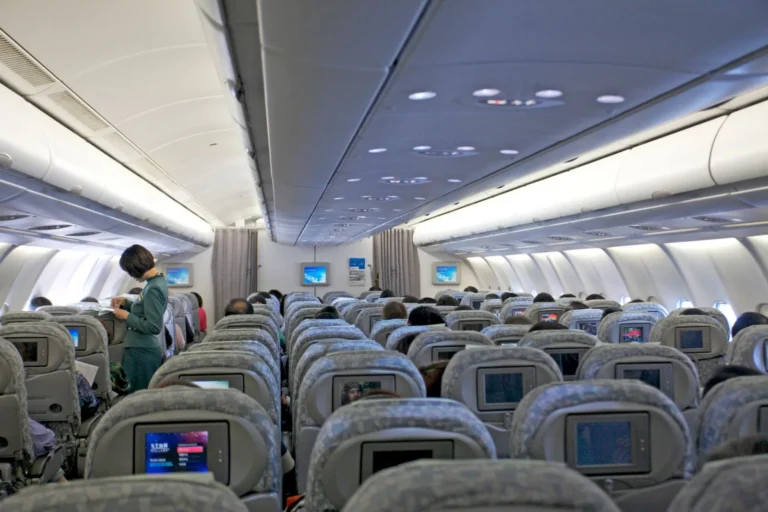
Business class is now the standard premium international product. On most long-haul wide-body aircraft you get a lie-flat seat that folds into a roughly 6.5-foot bed, direct aisle access, a larger entertainment screen, noise-canceling headphones, an amenity kit, and multi-course meals served on real plates. Carriers like Qatar Airways, ANA, and Delta fit their business cabins with sliding doors on many routes, effectively giving you a private mini-suite at the business-class price.
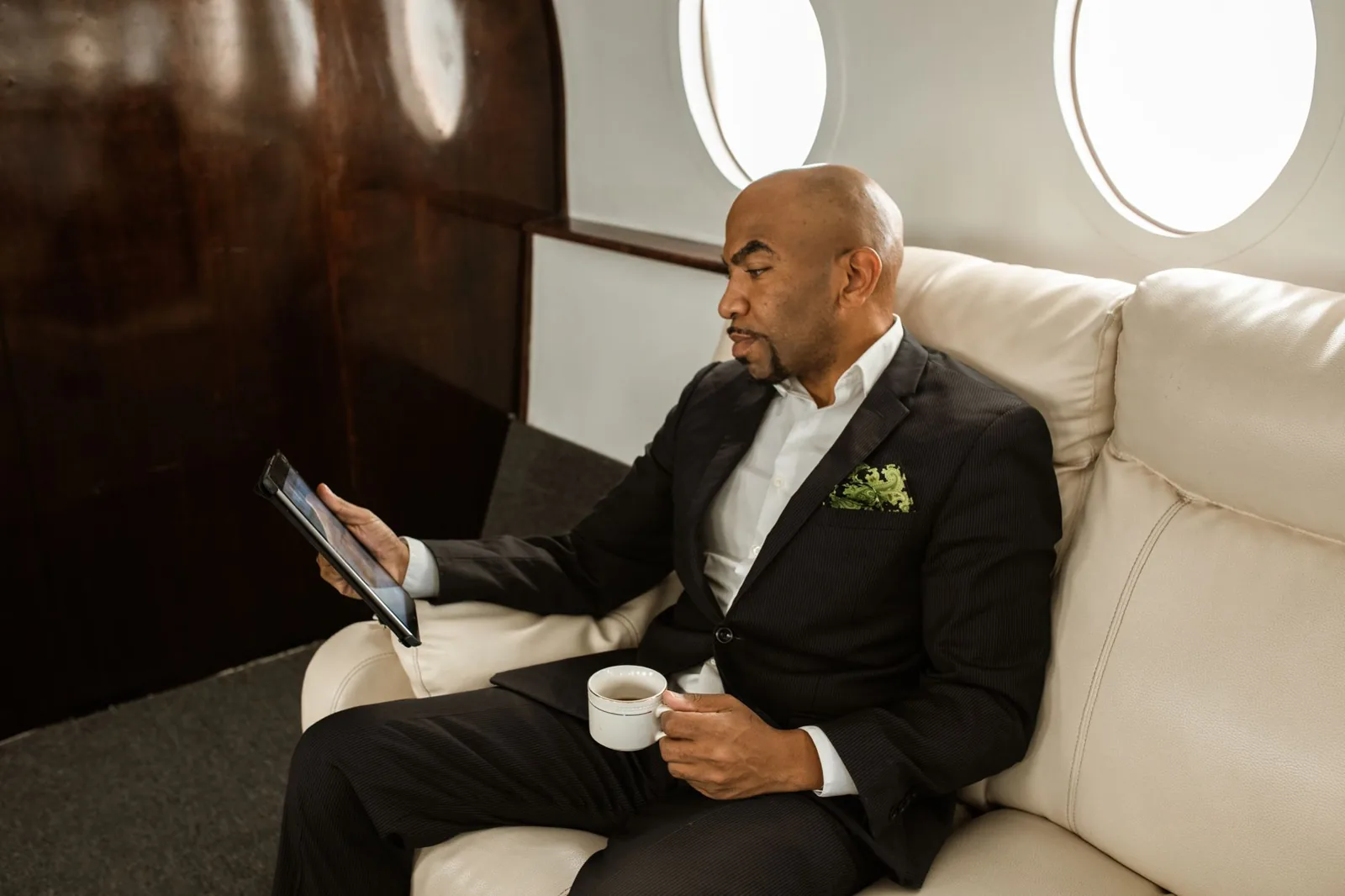
First class sits in a different league, and it is mostly about space and exclusivity. Cabins usually hold just 6 to 14 seats instead of 30 to 60, each one a fully enclosed suite, often with a separate seat and bed. Emirates First on the A380 adds an onboard shower spa and a walk-up bar, while Singapore Airlines Suites gives you a real bed and, on the A380, a private bathroom. On most routes, first class is one flight attendant for every two or three passengers, versus one for every five or six in business.
| Factor | Business Class | First Class |
|---|---|---|
| Typical cabin size | 30–60 seats | 6–14 suites |
| Seat | Lie-flat bed, often with a door | Enclosed suite, separate bed on some airlines |
| Privacy | Shared cabin | Private room on most carriers |
| Dining | Multi-course, restaurant-style | À la carte, caviar, premium wine list |
| Service ratio | ~1:5 on most airlines | ~1:2 to 1:3 |
| Lounge access | Yes | Yes, plus dedicated first-class terminal on some |
| Street price (long-haul) | $2,500–$5,000 round-trip | $8,000–$20,000+ round-trip |
| Availability | Most long-haul routes | Limited and shrinking fast |
The Real Price Difference
This is where the decision usually gets made. A round-trip business-class fare between New York and London typically runs between $2,500 and $4,500, while a first-class ticket on a carrier that still sells one — think British Airways or Lufthansa — often starts around $8,000 and can top $15,000. On premium Middle Eastern carriers the spread is even wider: Emirates First from New York to Dubai can list past $20,000 round-trip, against $5,000 to $7,000 for business on the same route.
If you are paying in points instead of cash, the math is more forgiving. Transatlantic business-class awards commonly price at 60,000 to 88,000 miles one-way, while first-class awards run 100,000 to 160,000 miles or more. Many frequent flyers argue points are the only rational way to buy first class, because the cash premium rarely scales with the actual improvement in comfort.
Photo by RDNE Stock project via Pexels
Business Class vs First Class: Seats and Bedding
The honest comparison of the two cabins mostly plays out at 35,000 feet in the seat itself. A good business-class pod gives you 76 to 80 inches of bed length, a width of roughly 20 to 22 inches, and enough privacy that you never touch your neighbor. The best versions — Qatar Airways Qsuite, ANA’s The Room, Delta One Suites — add a closing door and a genuinely flat sleeping surface.
First class pushes every number up and then adds what business class cannot: a separate bed. On Singapore Suites and Emirates First you sit in a chair that converts, and a crew member makes up a completely separate bed with mattress topper, duvet, and pajamas, so the two zones never share the same surface. First-class seats also tend to be wider — 30 inches or more — with more personal storage and, on some aircraft, a proper wardrobe. For a day flight, the practical difference is small. For a redeye, the separate bed is the single biggest reason people choose first.
Food, Wine, and Service
In business class, meals are genuinely good nowadays: three courses, a choice of four or five mains, real cutlery, and mid-tier wines. You can pre-order and, on many airlines, dine on demand. First class is a restaurant above the clouds. Menus are designed around the route, caviar and champagne are standard (often Krug, Dom Pérignon, or Laurent-Perrier), and you can build your own tasting menu course by course.
Service is where first class pulls furthest ahead. With fewer passengers per crew member, drinks are topped up before you notice they are low, the chef introduces dishes table-side, and requests barely need to be voiced. Business-class service on a top carrier is excellent; first-class service is the difference between a great hotel and a private one.
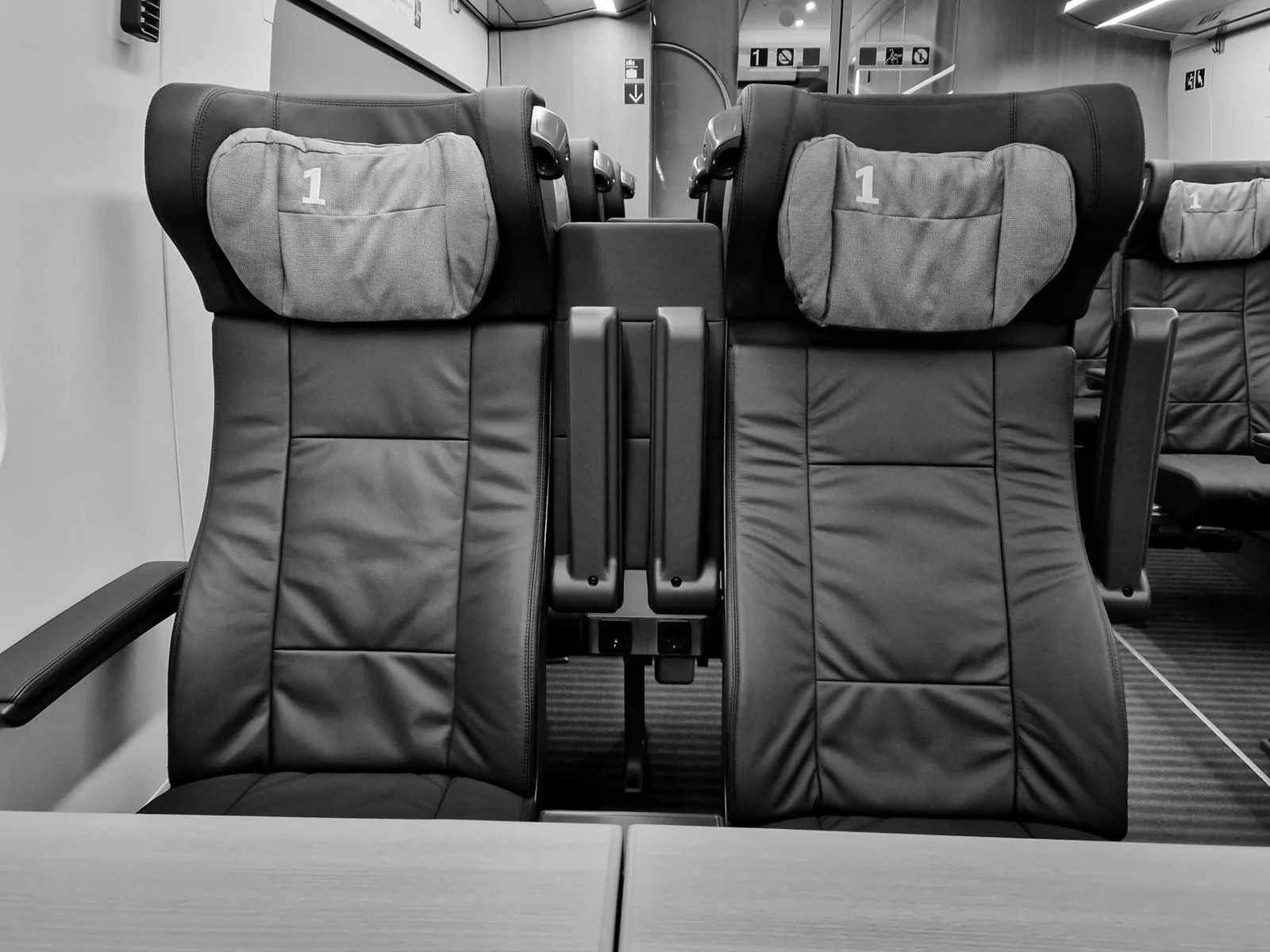
Photo by Claudia Schmalz via Pexels
Lounges and Ground Experience
Both cabins include lounge access, but the ground product is one of the clearest divides. Business-class lounges are comfortable but often crowded, with buffet food, showers, and quiet zones. First-class lounges are closer to private clubs: seated à la carte dining, dedicated spa treatments, private sleeping rooms, and chauffeur transfer to the aircraft on some airlines.
The extreme cases are famous for a reason. Lufthansa’s First Class Terminal in Frankfurt drives you to the plane in a Porsche or Mercedes. Air France’s La Première lounge in Paris and the Qantas First lounges are routinely rated among the best airport spaces in the world. If you value the two hours before a flight as much as the ten hours during it, this is a genuine factor, not a footnote.
Which Airlines Still Sell First Class?
First class is disappearing from the skies. American Airlines retired its international first class years ago, Delta and United no longer market a first cabin on long-haul routes (United’s Polaris is a business product), and most of the world’s airlines quietly folded first into a “best business” tier.
The holdouts that still offer a true international first class include British Airways, Lufthansa, Air France, Swiss, Singapore Airlines, Emirates, Etihad, Qatar (on a small number of aircraft), Japan Airlines, and ANA. Their first-class cabins are consistently the most-awarded seats in the industry and, not coincidentally, the hardest to book with cash. If first class matters to you, check the specific aircraft before booking — an airline can sell “First” on one plane and only business on another of the same route. A few minutes on The Points Guy or NerdWallet will tell you which aircraft has the real suite.
When Is the Upgrade Worth It?
Save first class for specific situations rather than as a default. It earns its price on ultra-long flights (10-plus hours), on overnight legs where sleep quality defines the next two days of your trip, and on special occasions like a honeymoon or a milestone anniversary. If you are traveling for work and need to arrive able to function, business class already does that for far less money.
For most travelers the smarter order of operations is this: book the cheapest premium seat you can live with, then keep hunting for upgrades and mileage redemptions. If you want the lie-flat bed but not the seven-figure price, business is the answer, and strategies like booking cheap international flights or timing your purchase with the best time to book flights matter as much as the cabin label. Still weighing whether the premium is worth it at all? A business class vs economy cost breakdown shows the same logic in reverse.
Frequently Asked Questions
Is first class better than business class?
Yes, on airlines that still offer a true first class. The seat is larger, often a separate suite with its own bed, the food and wine are better, and the service ratio is more generous. The honest caveat is that business class on a top carrier now matches the first class of a decade ago.
How much more does first class cost than business class?
Typically three to five times as much in cash. A $3,000 business-class round-trip on a legacy carrier often corresponds to an $8,000 to $15,000 first-class fare on the same route, though the premium varies sharply by airline and season.
Do you get better food in first class?
Yes. First class adds caviar and prestige champagne as standard, à la carte dining on demand, and a chef who plates food in the galley. Business-class meals are good, but they are prepared as full menus, not built around your preferences.
Is first class worth the money?
For most people, no — business class captures roughly 85% of the first-class experience at a third of the price. First class is worth it on 10-plus-hour redeyes, for special occasions, or when you are paying with points rather than cash.
Can you sleep lying flat in business class?
Yes. Nearly all international business-class seats now convert to a fully flat bed, typically 76 to 80 inches long. The difference in first class is a separate bed with mattress topper, duvet, and pajamas, which some sleepers find noticeably more restful.
The Bottom Line
Business class vs first class is less a contest than a question about what you are actually buying. Business class is the sensible premium: a flat bed, good food, lounge access, and a manageable fare that most serious travelers can justify. First class is the indulgent top shelf — a private suite, a separate bed, caviar and Krug, and a ground experience that feels designed for exactly one person at a time.
Book business when you want to arrive rested and functional. Book first for the flight itself, when the journey is the point. Whichever you choose, the cheapest way in is almost never the headline fare on the airline’s homepage — it is points, upgrade offers, and well-timed bookings. Start from what you want the flight to feel like, then find the fare that gets you there with money left over for the destination.