
How to Plan a Vacation: A Step-by-Step Guide for a Flawless Trip
Learning how to plan a vacation well is the difference between a trip you still talk about five years later and one you’d rather forget. Most people don’t botch the big stuff. They miss the quiet details — a hotel that’s a 40-minute walk from anything, a rental car pickup that clashes with a flight landing at 9 p.m., a budget that quietly runs out by day four. Get the process right and the trip takes care of itself.
The good news is that planning a trip is a skill, not a talent. It comes down to a sequence of decisions made in the right order, each one narrowing the next. Decide the where before the when, set money aside before you book, and lock in the non-refundable stuff only after the flexible stuff is settled. This guide walks through that sequence from first idea to packed suitcase.
Step 1: Decide Where and When You Want to Go
Every itinerary starts with two questions: where, and when. Resist the urge to answer “somewhere warm” and leave it there. Pick a specific region or city, because every downstream decision — flights, packing, insurance, even what you book first — depends on it.
When it comes to timing, shoulder season is almost always the correct answer. Traveling in the weeks just before or after peak season typically cuts flight and hotel costs by 20% to 40% while keeping decent weather. Europe in late September, the Caribbean in early May, and Japan in November all fit this pattern. Peak-season travel between mid-June and late August in the US and Europe is the most expensive window on the calendar.
A few rules of thumb that hold up in practice:
- Beach destinations: book for the tail end of dry season, not the start.
- City trips in Europe: avoid August; museums are packed and many locals close up for the month.
- National parks in the US: reserve lodging and timed entry permits months ahead, not weeks.
- Cruises and all-inclusive resorts: prices drop sharply right after the kids go back to school, including early September and January.
Step 2: Set a Realistic Travel Budget
A budget isn’t a guess; it’s a ceiling you commit to before you start spending. The most common planning mistake by far is booking flights and hotels first, then realizing the daily food, transport, and activity costs don’t fit. Plan the budget before you spend a single dollar.

Photo by Lara Jameson via Pexels
As a starting point, a mid-range domestic US trip runs roughly $150 to $250 per person per day once you add lodging, food, local transport, and activities. International trips to Western Europe or Japan land closer to $200 to $350 per day. Use those numbers as sanity checks, then break your own trip into categories.
| Factor | Budget Option | Comfort Option |
|---|---|---|
| Lodging per night | $60–$120 (hostel, budget hotel) | $180–$350 (central hotel) |
| Food per day | $30–$50 (groceries, street food) | $80–$150 (restaurants) |
| Local transport per day | $10–$20 (public transit) | $40–$80 (taxis, rideshare) |
| Activities per day | $15–$40 (free sights, one paid) | $100+ (tours, tickets) |
| Buffer for surprises | 10% of total | 10% of total |
Whatever your total, add 10% on top for the things that always come up — a missed connection, a meal that costs more than expected, a taxi at 1 a.m. If the 10% breaks the budget, the base budget was too tight. For a deeper walkthrough of stretching your money further, see our guide to trip planning on a budget.
Step 3: Book Flights First, Then Accommodation
Flights are the least flexible piece of the puzzle, so they come first. As a general rule, book domestic flights one to three months out and international flights two to six months out. Track prices on Google Flights or Kayak with fare alerts rather than checking manually every day. Midweek departures — Tuesday and Wednesday especially — are usually cheaper than weekend ones, and early-morning or late-night flights carry a discount for a reason.
Once your flights are locked, hotel and rental decisions can follow. For hotels, booking with free-cancellation rates costs a little more upfront but pays off if plans shift. It’s worth a look at Kayak to compare room rates across booking sites before you commit, since rates for the same room can vary by 15% or more between platforms.
One ordering tip that saves real money: book the flight, then hold the hotel with free cancellation, then watch the hotel price. If it falls, cancel and rebook. You can also check our travel budget calculator to see how much room the flights and hotel leave for everything else.
Step 4: Build a Flexible Day-by-Day Itinerary
A good itinerary is a list of anchors, not a minute-by-minute script. Over-planning is how a trip starts to feel like a job. Aim for one or two fixed activities per day and leave the rest open.
For each day, map out:
- One anchor: the main sight, tour, or reservation that defines the day.
- A backup: a rainy-day or low-energy alternative you can swap in.
- A neighborhood: cluster activities geographically so you’re not crossing the city twice.
- A meal plan: one or two places you actually want to eat, not every snack.

Photo by Lara Jameson via Pexels
Group sights by area and check opening days before you commit. The Louvre closes Tuesdays. Many museums in Rome close Mondays. A 30-second check on the official website saves you from showing up to a closed door. Build in one completely unplanned day for longer trips — it’s where the best stories come from.
Step 5: Sort Out Insurance, Documents, and Money
Insurance feels skippable right up until you need it, and then it’s the only thing that matters. A basic travel insurance policy covering trip cancellation, medical emergencies, and lost luggage costs roughly 4% to 8% of your total trip cost — well under $150 for most domestic trips. Given that a single day in a foreign hospital or one canceled transatlantic flight can wipe out thousands, it’s cheap protection. For a proper cost breakdown, read how much does travel insurance cost.
Documents and money are easy to overlook until you’re standing at a counter without them. A short checklist covers almost every scenario:
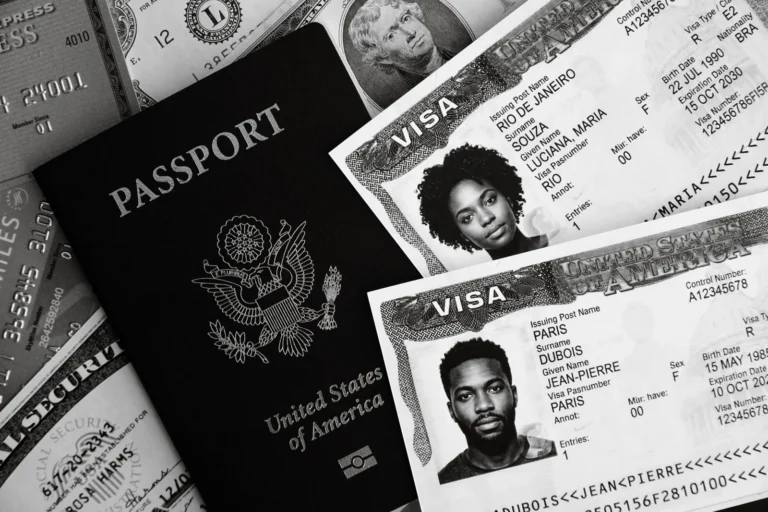
- Check that your passport is valid for at least six months beyond your return date.
- Confirm whether your destination requires a visa or an electronic travel authorization.
- Tell your bank and credit card issuers where you’re going so cards don’t get frozen.
- Carry a backup card and a little cash; not everywhere takes plastic.
- Download offline maps and save copies of your passport, insurance, and bookings.
- Check whether your phone plan includes roaming or whether you need a local eSIM.
Flying internationally? Work through our full international travel checklist so nothing slips between the cracks.
Step 6: Pack in Layers, Not in Panic
People pack for the trip they imagine, not the trip they have. The fix is simple: check the weather for your actual destination one week out, then lay everything out and remove a third of it. You’ve rarely regretted the items you left behind; you’ve often regretted the ones you hauled across an ocean.
The reliable core:
- Three to four outfits in a single color palette so everything matches.
- One pair of broken-in walking shoes — new shoes are how you get blisters on day one.
- A compact power bank and universal adapter if you’re leaving the country.
- Medications and a small first-aid kit in your carry-on, never checked baggage.
- One nicer outfit if there’s any chance of a dinner or a show.
Keep electronics, medication, a change of clothes, and anything you can’t replace in your carry-on. Checked bags go missing more often than airlines like to admit, and the one time it happens to you is the one time it matters most.
Frequently Asked Questions
How far in advance should I start planning a vacation?
Start six to eight months out for international trips and two to three months out for domestic ones. That’s enough runway to catch good fares, book the popular hotels, and sort out visas if you need them — without planning so early that plans get stale.
How much should I budget per day?
For a comfortable mid-range trip, plan on roughly $150 to $250 per person per day domestically and $200 to $350 internationally, then add a 10% buffer. Budget travelers can do it for less; luxury trips run far more.
Is it cheaper to book a flight or a hotel first?
Book the flight first. Flight prices are more volatile and less flexible than hotel rates, which can often be held with free cancellation and rebooked if prices drop.
Do I really need travel insurance?
For any international trip or any domestic trip with significant prepaid costs, yes. A policy costing 4% to 8% of your trip total protects you against cancellation, medical emergencies, and lost luggage — far cheaper than the alternative.
What’s the biggest planning mistake people make?
Over-scheduling. Itineraries that pack every hour of every day leave no room for the spontaneous detours that make a trip memorable. Anchor one or two activities per day and leave the rest open.
The Bottom Line
How to plan a vacation comes down to doing the right things in the right order: choose a destination and a shoulder-season date, set the budget before you book, lock in flights and then accommodation, build a flexible itinerary, and cover the insurance and paperwork nobody wants to think about. None of it is complicated, and none of it is skippable.
Do the boring parts early so the trip itself is anything but boring. Set a price alert today, open a free-cancellation booking, and start a simple checklist. The more you get done now, the more room you have to actually enjoy the place you worked so hard to reach.