
Bucket List Travel Destinations: The Trips Worth Planning For
Most people keep a mental list of bucket list travel destinations — the places they would visit tomorrow if money and time were no object. Machu Picchu at sunrise. The caldera views of Santorini. A safari in the Serengeti. A handful of these trips live up to the fantasy. The rest cost three times what they should and leave you standing in a crowd of ten thousand people all taking the same photo.
The uncomfortable truth is that a bucket list trip is a logistics problem as much as a dream. The exact same destination can be a life-changing week or a frustrating, overpriced one depending on when you go, how you book, and what you skip. This guide is the practical companion to that list — the trips that genuinely deliver, what they actually cost, when to lock them in, and how to pay for them without regret.
None of this requires winning the lottery. It requires picking the right year, the right season, and the right booking window. The travelers who actually cross things off their list are rarely the richest ones; they are the ones who plan two years out and pounce when a fare dips.
Why Some Trips Make the List
A destination earns a spot on a bucket list for one of three reasons: it cannot be replicated anywhere else, it takes real effort to reach, or it marks a life moment — a milestone birthday, a honeymoon, a first international trip. The Maya ruins, the Great Barrier Reef, a once-in-a-lifetime wildlife migration. These are not interchangeable with a cheaper weekend trip, which is exactly why they justify the planning and the spend.
That irreplaceable quality is also the trap. Because these places are famously one-of-a-kind, they attract crowds, inflated prices, and package deals designed for people who will only go once and will not complain. Knowing the difference between a fair price and a tourist markup is the entire skill of bucket list travel.
The Bucket List Travel Destinations That Actually Deliver
Not every famous destination earns its reputation. These are the ones that do, with the specifics first-time visitors always ask about.
- Machu Picchu, Peru — The Inca citadel is worth every hour of the journey. Book the 6 a.m. entry, stay two nights in Aguas Calientes so you can beat the day-trippers arriving from Cusco, and budget for a guide ($40–$60) — the site is nearly meaningless without one.
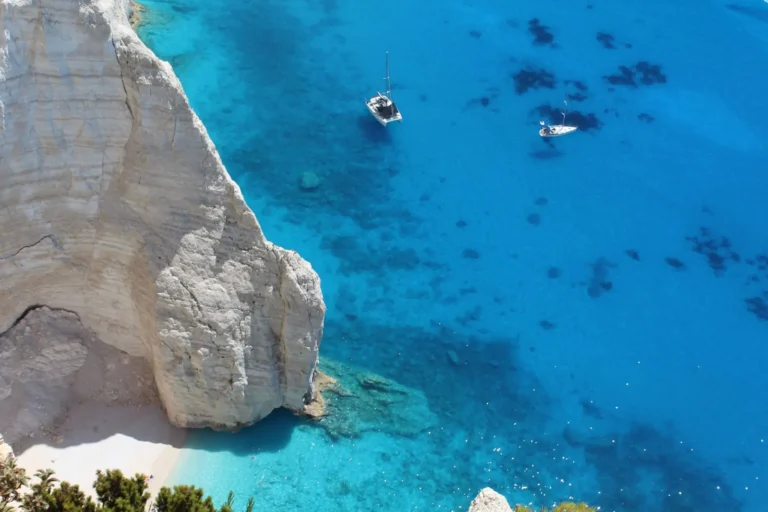
- Santorini, Greece — The caldera view is real, the cruise-ship crowds are worse. Go in late September or early October, stay in Imerovigli instead of Oia, and you get 80 percent of the postcard for half the August price.
- The Maldives — An overwater villa is on almost everyone’s list, and it is pricier than it needs to be if you stay on the wrong island. A local-island guesthouse runs $60–$120 a night and gets you the same snorkeling for a fraction of a resort stay.
- Northern Lights (Iceland, Norway, or Finnish Lapland) — The aurora is a gamble with the weather, so plan for it: a four-night stay gives you roughly a 75 percent shot at clear skies at least once.
- Safari in Tanzania or Kenya — The Serengeti migration and the Ngorongoro Crater are the two wildlife experiences that exceed the hype. Book through a local operator rather than a US-based reseller to cut costs by 20–30 percent.
- The Great Barrier Reef, Australia — It is worth seeing but also worth doing responsibly; outer-reef day trips from Cairns or Port Douglas put you on healthier coral than the crowded inner platforms.

Photo by Pavel Danilyuk via Pexels
What These Trips Really Cost
The price gap between bucket list destinations is enormous, and the sticker numbers online are almost always misleading because they mix seasons, room types, and whether flights are included. Here is a realistic picture for two people, flights from a major US gateway, at a sensible time of year.
| Factor | Machu Picchu | Santorini | Maldives | Japan |
|---|---|---|---|---|
| Week for two (flights included) | $4,200–$6,500 | $4,000–$6,800 | $5,500–$9,000 | $5,500–$8,000 |
| Best month to go | May or September | Late September | November–April | March or October |
| Flights from the US | $700–$1,100 pp | $800–$1,300 pp | $1,200–$1,800 pp | $900–$1,500 pp |
| Daily on-the-ground spend | $80–$150 pp | $120–$220 pp | $150–$400 pp | $100–$180 pp |
| Who it is best for | Hikers, history buffs | Honeymooners, photographers | Snorkelers, people who want to do nothing | Food, culture, first-time Asia travelers |
Those are shoulder-season numbers. Travel in the peak months — July and August for Europe, December for the Maldives — and the total inflates by 30 to 50 percent for the same experience. If keeping the total down matters more than the specific month, our guide to the best places to travel on a budget runs the numbers on destinations where a week costs a third of the table above.
Timing Is Half the Battle
The single biggest factor in whether a bucket list trip feels magical or miserable is when you go — both the season and how early you book.
Machu Picchu is the textbook example. The Inca Trail is closed every February for maintenance, and the high season between June and August packs the citadel with up to 5,600 visitors a day. Go in May or September and you trade possible drizzle for half the crowds and noticeably cheaper lodging in Cusco.
For the Maldives, the dry northeast monsoon runs November to April, and prices follow it exactly — a seaplane-transfer resort that lists at $900 a night in January can drop below $500 in May, when the rain arrives in short, predictable bursts. If you are flexible and travel for a beach rather than a guarantee of cloudless skies, shoulder season is where the value is.
Safari timing is locked to animal movements. The Great Migration river crossings in the Serengeti happen roughly July through September, while the calving season in January and February offers predator action and lower rates. Decide which wildlife moment you are chasing before you pick dates.
The other half of timing is booking lead time. For international bucket list trips, two to eight months out is the sweet spot, and the more rigid your dates are — a honeymoon, a milestone birthday — the earlier you should commit. The people stuck paying $1,800 for an economy ticket to Europe are overwhelmingly the ones booking three weeks before a peak-season departure.
If the goal is a warm-weather, sand-between-your-toes trip rather than a specific landmark, the best tropical vacation destinations shortlist swaps the crowd-and-cost problem for places that are great in their off-season too.
Photo by Jarod Barton via Pexels
How to Actually Afford It
A bucket list trip rarely shows up in a single month’s budget. It is a two-or three-year project for most people, and the mechanics of funding it are as important as the destination choice.
Start a dedicated sinking fund. Set up a separate savings account and automate even a modest transfer — $150 a month compounds into $5,400 over three years, which covers the entire Peru or Greece trip above without touching your regular budget.
Put the flights on a points strategy. A single travel credit card welcome bonus is typically worth $600 to $1,000 in flights, and two of them — one for you, one for a partner — can cover the round-trip airfare for a long-haul destination outright. The key is earning points on spending you were going to do anyway, then transferring them to airline partners for a specific redemption rather than cashing them out at a weak rate.
Travel in a group of people who actually commit. Bucket list trips are cheaper per person when a villa or safari vehicle is split four to six ways, but only if everyone books at the same time. The moment one person “needs another month to decide,” the group rate and the good flights both disappear.
For a beach-focused escape that is genuinely priced for two travelers, our comparison of the best island vacations for couples breaks down which islands give the most seclusion per dollar.
Booking Strategies for Big-Ticket Trips
Big trips reward a different booking order than short getaways. The order matters because availability on the scarce parts — permits, hotels, and lodges — disappears before the flights even get cheap.
Lock the scarce pieces first, then book flights around them. For Machu Picchu, the Inca Trail permit and the specific entry time sell out months ahead, so secure those before you buy airfare. For the Maldives, the resort and its seaplane transfer are the scarce part. Flights, in most cases, can be flexible by a day or two; the permit cannot.
Book directly where the money is going. Safari lodges and small guesthouses in places like Cusco or the Greek islands are usually cheapest and most flexible when booked direct through the property rather than a US-based package site. The same holds for train and ferry tickets in Japan, where the official JR Pass and regional rail passes undercut reseller markups.
Use aggregators only to compare, not to commit. Tools like Kayak or Google Flights are for scanning fares and watching price history, but for bucket list trips the final booking should sit with the airline or the lodge itself. Third-party sites add risk without meaningful savings once the trip is this expensive and this important.
For a sense of which trips are worth the extra planning versus which you can book on a whim, Lonely Planet’s destination guides and their top trips planning hub are the two references worth bookmarking before you commit to a specific itinerary.
Frequently Asked Questions
What are the most popular bucket list travel destinations?
Machu Picchu, the Maldives, Santorini, the Northern Lights, an African safari, and Japan consistently top travel surveys year after year. Popularity, though, is not the same as value — several of these are dramatically better in specific months, which is why timing matters more than the destination itself.
How much should I budget for a bucket list trip?
For two people from the US, plan on $4,000 to $9,000 for a week, flights included, depending on the destination. The Maldives sits at the top of that range; Machu Picchu and Greece at the bottom. Funding it with a monthly sinking fund over two to three years makes the number manageable for most travelers.
How far in advance should I book?
Two to eight months for the flights, and longer for anything with limited permits or capacity — the Inca Trail, popular safari lodges, and overwater villas in December all book out six to twelve months ahead. Lock the scarce pieces first, then buy flights around them.
When is the cheapest time to visit these places?
Shoulder season — the weeks just before or after peak — is almost always the answer. Late September in Santorini, May or September at Machu Picchu, and May in the Maldives deliver most of the experience at 30 to 50 percent less than peak summer or winter-holiday pricing.
Are bucket list trips worth the money?
The irreplaceable ones are, when planned well. The risk is paying peak-season prices for a crowded version of the thing you imagined. Book the right month and the scarce parts early, and a bucket list trip is usually worth every dollar. The best beach vacations in the US are a good reminder that a great trip does not always require a passport or a four-figure flight.
The Bottom Line
A bucket list is only useful if it turns into bookings. The destinations that earn their place — Machu Picchu, the Maldives, a Serengeti safari — are genuinely unlike anything else, but they reward the traveler who plans years out and books the scarce pieces first over the one who decides in April to go in July.
Pick one destination, pick its best shoulder-season window, and open a dedicated savings account this month. Set a fare alert for a flight two to eight months before that window, and commit to the permit or the lodge the moment it becomes available. The difference between a bucket list trip you took and one you keep talking about taking is a two-year head start and a booking order that puts the scarce stuff first.