Flight Booking Fees Explained: What Every Surcharge Really Costs
Flight booking fees explained in one sentence: the fare you see in search results is almost never the price you actually pay. Between checked-bag charges, seat-selection upsells, and fuel surcharges, a $180 round-trip can quietly climb past $300 by the time your card is charged.
The scale of it is hard to overstate. US airlines pulled in roughly $7 billion in baggage fees alone in 2023, according to Department of Transportation data, plus several hundred million more in reservation and change fees. None of that shows up in the headline fare that ranks a flight first in your search results.
The good news is that most of these charges are optional — and a few are worth paying. This guide walks through every common surcharge, what it costs at the major carriers, and which ones you can skip entirely. If you’ve ever watched a “$39 fare” turn into a $172 ticket at checkout, this is for you.
Where Flight Booking Fees Actually Come From
Airlines split their revenue into two buckets: the base fare and “ancillary revenue,” which is the industry term for everything they sell on top of it. For low-cost carriers like Spirit and Frontier, ancillary fees can account for nearly half of total revenue — which is why their base fares look so cheap and their fee schedules look so long.
There are three broad reasons a fee gets added to your booking:
- Unbundling. The airline removes something that used to be included — a checked bag, a seat assignment, a snack — and sells it back to you separately. This is how a budget airline advertises a fare under $50.
- Cost recovery. Fuel surcharges and airport-imposed fees sometimes get passed through as separate line items, especially on international routes.
- Choice pricing. Seat selection, priority boarding, and extra legroom are pure upsells. The airline spends nothing extra to sell you seat 14C instead of 27B, yet charges $15 to $80 for the privilege.
Understanding which bucket a fee falls into tells you whether it’s negotiable, avoidable, or simply the price of a better seat.
The Usual Suspects: Baggage, Seats, and Change Fees
Most of the money you’ll hand over at checkout falls into one of a few familiar categories. Here’s what each one actually costs at major US carriers.
Photo by Jeffry Surianto via Pexels
Checked Baggage
This is the biggest fee most travelers pay. At Delta, American, and United, a first checked bag on a domestic flight costs around $35 to $40 each way, and the second bag runs $45 to $50. A second bag often costs more than the first, not less — airlines price it that way on purpose.
Overweight bags (over 50 pounds) tack on $100 to $200, and oversized bags (over 62 linear inches) add $150 to $200. International flights sometimes waive the first bag, but premium-cabin tickets and elite status are the real exceptions. Southwest remains the standout: it includes two free checked bags on every fare, which is the single most common reason travelers cite for choosing it. NerdWallet’s airline baggage fees roundup tracks the current per-carrier rates if you want exact numbers before you book.
Seat Selection
Airlines now charge for the seat itself, not just the legroom. Standard seat assignments range from free at check-in (randomly assigned) to $10 to $30 for a preferred spot toward the front of the cabin. Exit-row and extra-legroom seats go for $40 to $100 on domestic flights, and premium-economy-style seats on longer routes can exceed $150.
If you don’t pay, you’ll usually be assigned a middle seat at the back at check-in — or, on basic economy fares, you may not be able to choose at all. Families often pay these fees just to avoid being split up, which is exactly the pressure the airlines are counting on.
Change and Cancellation Fees
This is the one bright spot in recent years. Delta, American, and United permanently dropped change fees on most domestic and international main-cabin-and-above tickets in 2020 and 2021, and they’ve stayed gone. You’ll still pay to change a basic economy ticket, though — often $99 to $199 or forfeiting the fare entirely, depending on the airline and route.
Southwest has never charged a change fee, and it still doesn’t. The catch is that “no change fee” doesn’t mean “no cost”: if the new fare is higher, you pay the difference in fare, which is where most of the real money goes. The Points Guy’s change and cancellation fee guide is a useful reference for checking your airline’s latest policy.
How Budget Airlines Turn Low Fares Into Big Totals
Low-cost carriers run the most aggressive fee schedule, and their model depends on you not noticing it until checkout. Here’s how the math breaks down on a $49 base fare.
| Factor | Budget Carrier (Spirit/Frontier) | Legacy Carrier (Delta/American/United) |
|---|---|---|
| First checked bag | $45–$75 each way | $35–$40 each way |
| Carry-on bag | $45–$89 each way | Included (except basic economy) |
| Seat assignment | $5–$25 standard | Free random assignment vs $10–$30 preferred |
| Change fee | $0–$99+ (fare-based) | $0 on main cabin and above |
| Booking/payment fee | $22–$25 per segment (Allegiant) | Rarely charged |
| Total on a round-trip with one bag | Roughly $180–$260 added | Roughly $70–$80 added |
Frontier and Spirit charge a fee for a carry-on bag — something legacy carriers bundle into the ticket for free (outside basic economy). Their carry-on fees run $45 to $89 when paid at booking and climb sharply at the airport gate, where passengers routinely pay over $99 for the same bag. Allegiant adds a $22 “electronic carrier usage charge” per segment for booking online, which is effectively a fee for buying your ticket at all.
None of these airlines is hiding anything in the legal sense — the fees are disclosed, just late in the process. The practical risk is treating the base fare as your budget, then discovering at the airport that your “cheap” round-trip costs more than American’s.
What Each Major US Airline Charges
Fee structures shift, but the current landscape for the four carriers Americans book most looks like this.
| Airline | First Checked Bag | Seat Selection | Change Fee | Free Perks |
|---|---|---|---|---|
| Southwest | 2 bags free | Free open seating | $0 | 2 free bags, no change fee |
| Delta | $35 each way | $15–$45 preferred | $0 (main cabin+) | 24-hour cancel |
| American | $35–$40 each way | $9–$40 preferred | $0 (most fares) | 24-hour cancel |
| United | $35–$40 each way | $10–$45 preferred | $0 (main cabin+) | 24-hour cancel |
Photo by Tropojan Eagle via Pexels
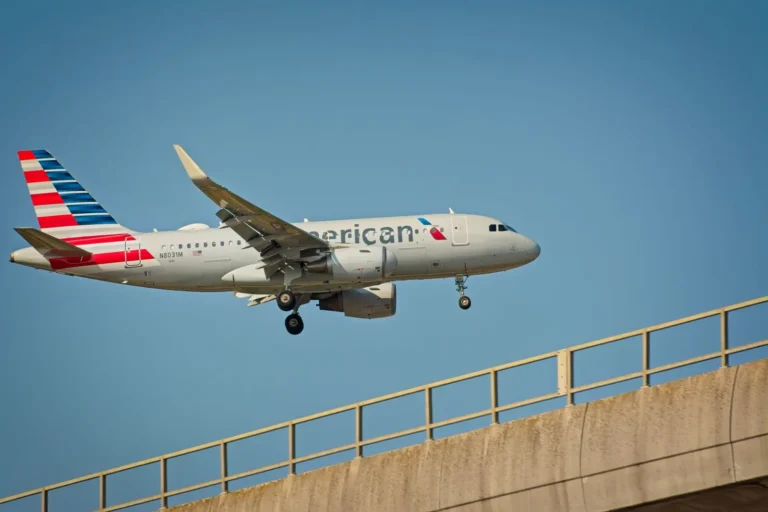
The pattern is consistent: Southwest fronts the most value (two free bags, no change fees), while the big three legacy carriers charge for bags but have largely stopped charging to change most tickets. The edge cases — basic economy on any airline, and budget carriers across the board — are where fees still bite hard.
Fees You Can Avoid — and the Tricks to Dodge Them
Most surcharges are avoidable if you plan around them. A few strategies consistently work:
- Pack in a carry-on. On legacy carriers, a carry-on bag plus a personal item is free and sidesteps the $35 checked-bag fee entirely. On Spirit and Frontier it’s the opposite — pay for the bag at booking, never at the gate.
- Pick a card that reimburses bag fees. Several airline and travel credit cards (Citi AAdvantage, Delta SkyMiles Gold, United Explorer) cover a first checked bag for you and often companions on the same reservation. The annual fee can pay for itself in one round-trip.
- Book directly, not over the phone. A handful of carriers and many third-party agencies still charge a $25 to $45 booking or service fee for phone or agent-assisted reservations. Booking on the airline’s own site avoids that almost every time.
- Skip the seat fee when you don’t care where you sit. Free assignment at check-in costs nothing, though it rarely lands you next to your traveling companion.
- Use the 24-hour rule. US law lets you cancel most bookings for a full refund within 24 hours of purchase if booked at least seven days out. That means a change of plans costs you nothing if you catch it in time.
A little timing helps too. Booking in the right window can leave more room in your budget for the fees you do choose to pay — our guide on the best time to book flights spells out when fares tend to be lowest.
When Paying the Fee Is Actually Worth It
Not every surcharge is a ripoff. Some are cheap insurance, and a few buy you something you can’t get for free.
- Pay for a checked bag if you’re moving or on a ski trip. A $35 bag fee beats $40-plus to ship gear, and it beats the stress of cramming a week of travel into a personal item.
- Pay for seat selection on long-haul flights. On a 14-hour haul, $100 for an exit-row seat is roughly $7 an hour for the difference between knees against the seatback and actually sleeping. That’s a better deal than most in-flight upgrades.
- Pay for premium economy, not just legroom. When the gap between a standard seat and a wider, recline-friendly premium seat is modest, it’s often a cheaper comfort fix than business class. Our business class vs. economy cost comparison shows how wide that gap usually is.
- Pay the “cancel for any reason” insurance on expensive trips. It rarely comes up, but when it does, the 50–75% reimbursement dwarfs a non-refundable fare you’d otherwise lose outright.
The rule of thumb: if a fee protects you from a bigger loss, or buys meaningful comfort on a flight long enough to matter, it’s usually money well spent. If it’s a fee for the airline to do nothing new, skip it.
Frequently Asked Questions
Why do flight booking fees vary so much between airlines?
Because low-cost carriers have built their entire pricing model around unbundling. A legacy airline bundles a bag and a seat into a higher base fare; a budget airline strips them out and sells them back individually. The total cost often ends up similar — the budget fare just looks cheaper until checkout.
Are baggage fees refundable if my flight is canceled?
Generally yes. If the airline cancels your flight, you’re owed a refund of the fare and any fees you paid, including baggage charges. If you voluntarily cancel, baggage fees are typically refunded along with whatever portion of the fare you’re entitled to — but only when paid in advance, not at the airport.
Can I avoid airline fees with a travel credit card?
Often. Airline co-branded cards frequently reimburse a first checked bag, and premium travel cards offer statement credits that cover incidental fees like seats and bags. The reimbursement is usually automatic and applies to everyone on the reservation.
Do third-party booking sites add their own fees?
Some do, on top of the airline’s fees. Online travel agencies may charge a booking or service fee of $10 to $40, and customer-service-assisted bookings cost more. Booking directly with the airline usually means the airline’s fees only — and easier rebooking if something changes. Our guide to how to book cheap flights walks through when each channel makes sense.
What’s the biggest fee most travelers could avoid?
The checked-bag fee. At $35 to $40 each way, a couple with one bag each on a round-trip is spending $140 to $160 on fees that carry-on-only packing, a travel credit card, or flying Southwest could eliminate entirely.
The Bottom Line
Flight booking fees are the difference between the advertised fare and the real cost of the trip — and once you know which ones are avoidable, they stop being a surprise. Bags are the big one, seats are the most optional, and change fees have mostly disappeared on standard fares at the major carriers. Budget airlines charge less upfront and more at every turn after that, so compare the all-in price, not the headline number.
Before your next booking, price it out with the bag and seat you’d actually want, on the airline’s own site rather than a reseller. Take the sixty seconds to do that, and the “$39 flight” will stay a $39 flight instead of quietly becoming $172. When you’re ready to search, start with our guide on how to book cheap flights so the fares you find are worth paying fees on.